Why am I still so tired?
Lingering fatigue after a viral illness can be frustrating and confusing. Even with rest and healthy habits, some people find their energy and focus slow to return. Understanding why symptoms persist is the first step toward feeling better.
Restore Balance and Reclaim Energy
Support for lasting recovery.
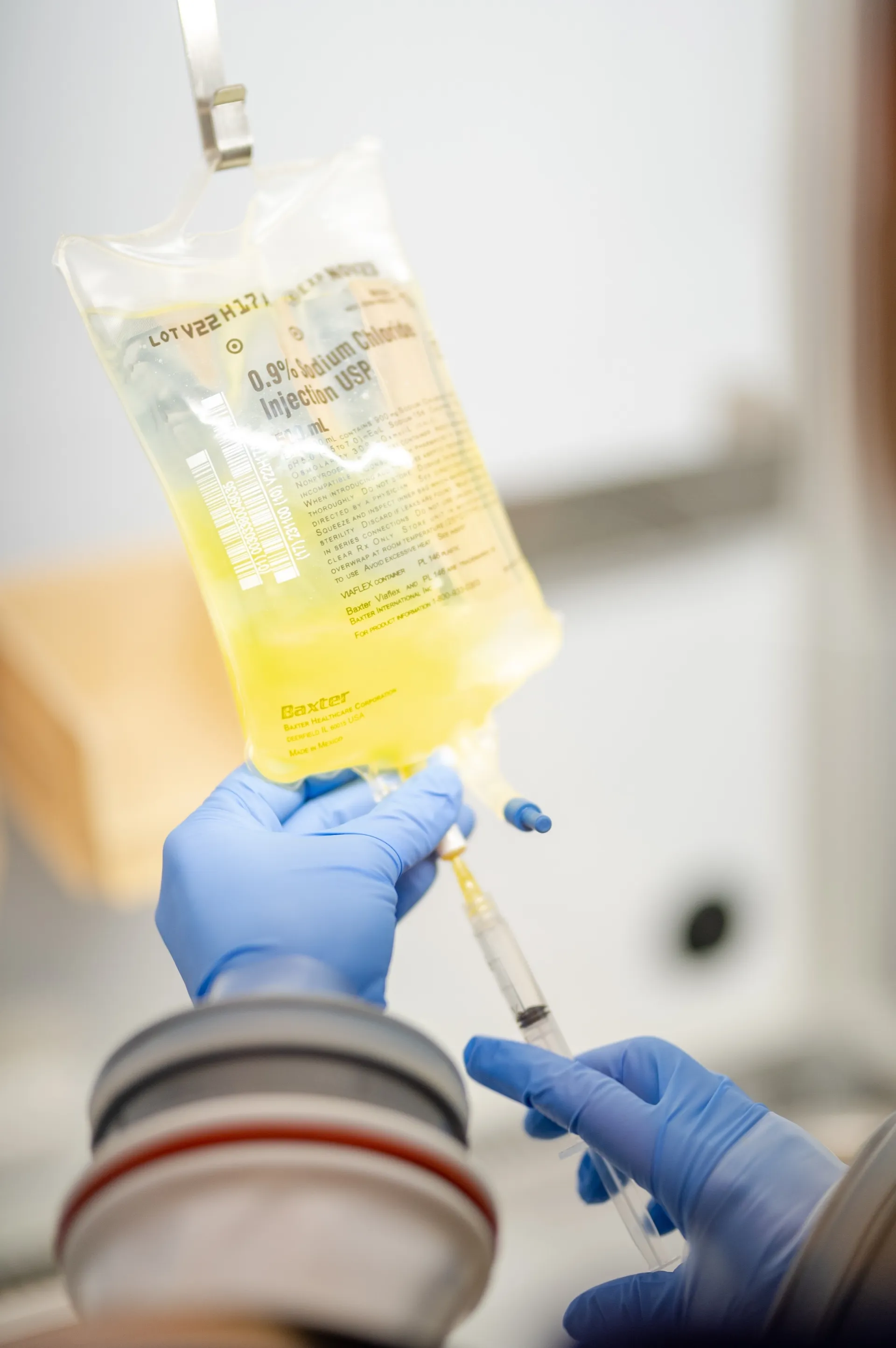
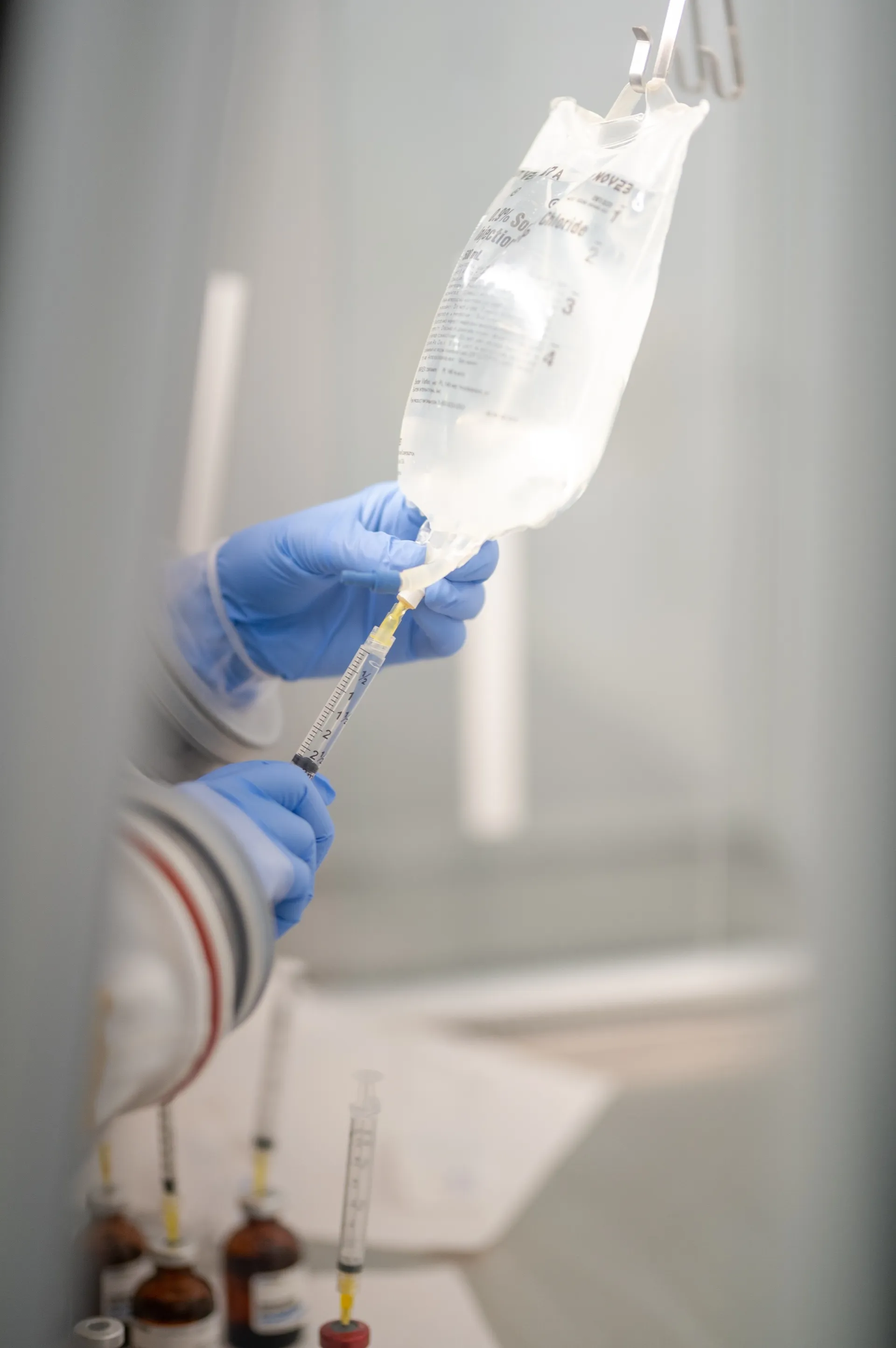
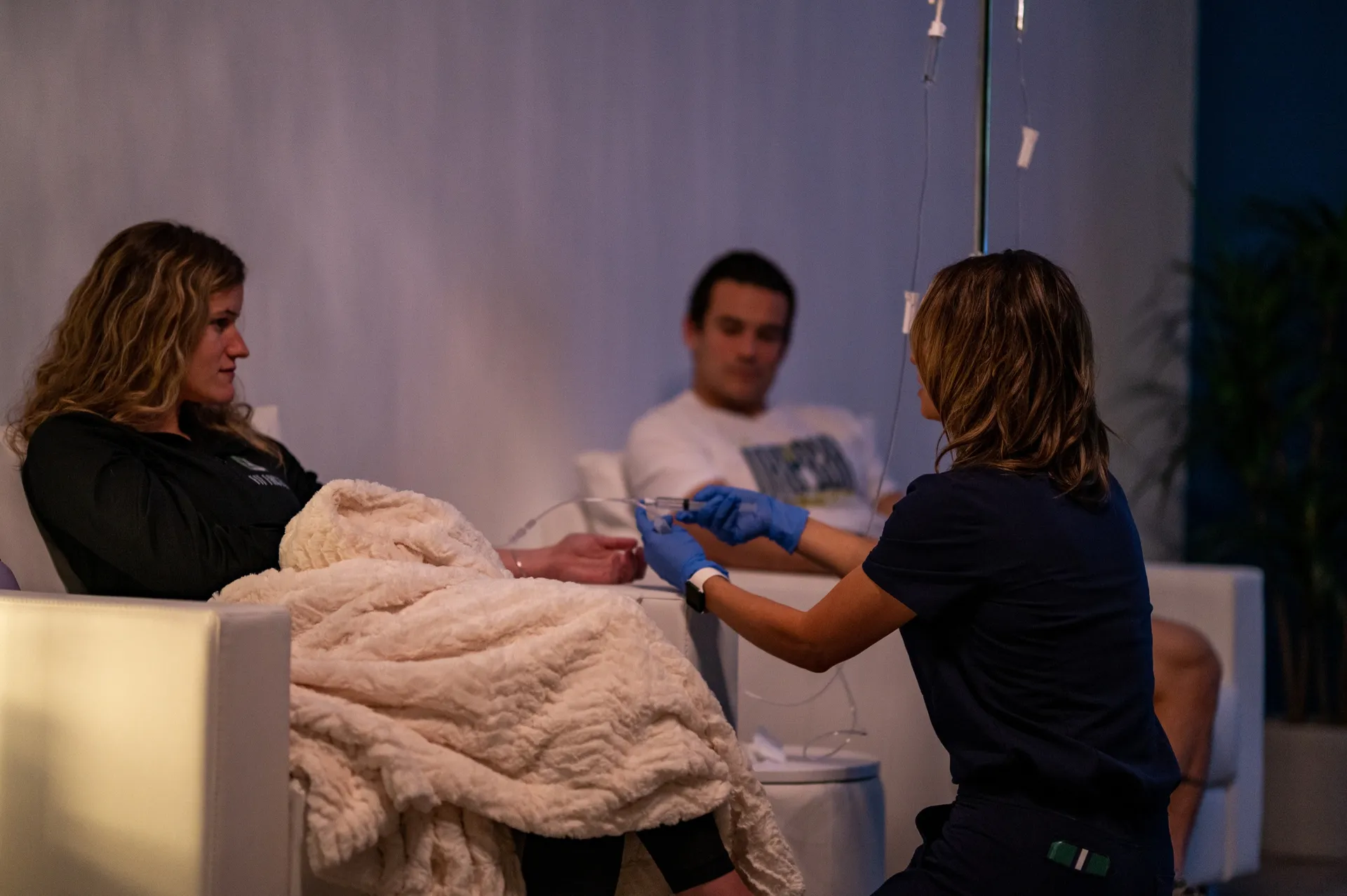
Many people experience ongoing fatigue, brain fog, or weakness after a viral infection, even when the acute illness has passed. The DRIPBaR offers targeted IV therapies designed to help replenish nutrients, support immune balance, and promote cellular repair. These therapies deliver hydration and essential vitamins directly into the bloodstream, bypassing digestive barriers for faster absorption. By addressing lingering symptoms, clients can work toward a steadier return to daily activities.For those seeking a more complete recovery, The DRIPBaR provides a supportive environment focused on restoring energy and clarity. Licensed nurses monitor each session to ensure safety and comfort. With consistent care, individuals may notice improved stamina, sharper thinking, and a greater sense of well-being. Book your appointment today to take the next step toward feeling your best.
Did you know?
Some post-viral symptoms can last for months, affecting energy, mood, and focus even after the initial illness resolves.
Understanding Post-Viral Recovery
Post-viral recovery is the period after a viral infection when the body continues to heal and regain balance. While many people recover quickly, others may notice symptoms like fatigue, brain fog, or muscle aches that persist for weeks or even months. These lingering effects are often linked to immune system changes, oxidative stress, and nutrient depletion caused by the infection. Addressing these underlying factors can help support a smoother recovery.Common triggers for prolonged symptoms include high stress, inadequate rest, or pre-existing health conditions. Managing post-viral recovery involves a combination of rest, hydration, balanced nutrition, and gradual return to activity. Monitoring symptoms and seeking professional guidance can help individuals avoid setbacks and promote lasting wellness.
Symptoms of Poor Viral Recovery
If you have recently recovered from a viral illness, you may notice persistent tiredness or lack of energy. Many people also experience difficulty concentrating, sometimes described as brain fog, which can interfere with daily tasks. Muscle weakness or soreness may linger, making physical activity feel more challenging than usual. These symptoms can fluctuate, sometimes improving and then returning unexpectedly.Some individuals report shortness of breath, headaches, or mood changes during post-viral recovery. Sleep disturbances are also common, with trouble falling or staying asleep. Digestive changes, such as nausea or reduced appetite, may occur as the body continues to heal. Emotional symptoms like anxiety or irritability can add to the overall sense of discomfort.For some, these symptoms gradually resolve with time and self-care. Others may find that symptoms persist or worsen, especially if they try to resume normal activities too quickly. Recognizing these patterns and pacing recovery can help prevent setbacks. If symptoms are severe or do not improve, it is important to consult a healthcare provider.
Traditional Treatments
Traditional approaches to post-viral recovery emphasize rest, hydration, and a nutrient-rich diet. Gentle physical activity, such as walking or stretching, is often recommended as energy allows. Over-the-counter medications may help manage specific symptoms like headaches or muscle aches, but should be used with care and under guidance.Some people benefit from additional therapies, such as physical therapy, counseling, or nutritional support. Monitoring progress and adjusting activity levels can help prevent overexertion and setbacks. While most individuals recover fully with time, those with persistent or severe symptoms should seek medical advice to rule out other conditions and receive tailored support.
How IV Therapy May Help
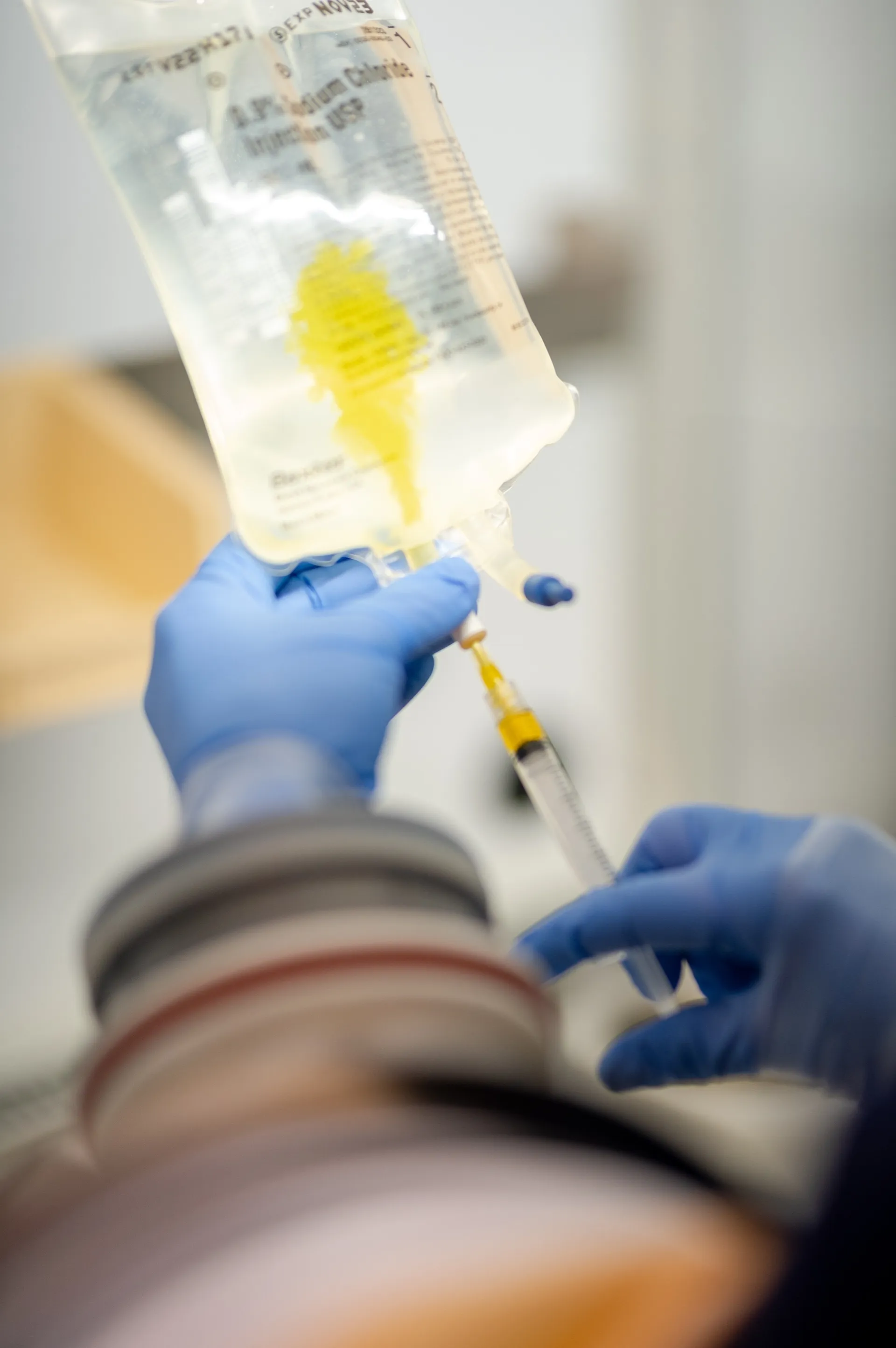
When lingering symptoms disrupt your daily life after a viral illness, IV therapy at The DRIPBaR offers a way to deliver targeted nutrients and hydration directly into your bloodstream. This approach allows for rapid absorption of vitamins, minerals, and antioxidants that support immune function, energy production, and cellular repair. Licensed nurses oversee each session, ensuring safety and comfort throughout the process. Many clients appreciate the personalized care and the focus on restoring balance during recovery.Unlike oral supplements, IV therapy bypasses digestive barriers, which can be especially helpful when appetite or gut health is compromised. The DRIPBaR's services are designed to complement traditional recovery strategies, not replace them. By addressing nutrient depletion and supporting the body's natural healing processes, IV therapy may help reduce fatigue and promote a steadier return to normal activities. Always consult with your healthcare provider to determine if this approach is right for you.
Supportive Options for Lasting Recovery
Specialized IV infusions can help address lingering fatigue, brain fog, and immune imbalances after illness. These offerings provide targeted nutrients to support the body’s natural healing processes. Many people find them helpful for regaining energy and clarity.
Ascorbic Acid (Vitamin C), NAC, Magnesium, Zinc
Allergy therapy delivers key nutrients like Ascorbic Acid, NAC, Magnesium, and Zinc directly into the bloodstream for rapid support. This approach helps reduce inflammation and oxidative stress while promoting tissue repair. It supports balanced immune function and respiratory comfort. Regular treatments may enhance energy and mental clarity. Individual responses vary, so monitoring and professional guidance are recommended.
Ascorbic Acid (Vitamin C), Magnesium, Zinc
Flu Fighter is an intravenous therapy designed to deliver essential nutrients and hydration directly to the bloodstream. It includes Vitamin C, Magnesium, and Zinc, which support immune function and reduce oxidative stress. This infusion aids in tissue repair and energy restoration. It is suitable for individuals seeking to enhance recovery and maintain wellness. The therapy bypasses digestive absorption for faster, more effective nutrient delivery. It is a supportive option during periods of physical stress or illness. This approach helps promote overall resilience and balance.
Ascorbic Acid (Vitamin C), Magnesium, Methylcobalamin (B12), B-Complex, Zinc, NAC
Shield provides a targeted blend of nutrients delivered intravenously to support immune system strength and cellular repair. It includes antioxidants and vitamins that help reduce oxidative stress and promote tissue healing. This infusion is designed for individuals seeking to enhance their resilience and recover from physical or immune challenges. The direct delivery method ensures rapid nutrient absorption and effective support. It is suitable for a wide range of wellness needs and recovery goals.
Ascorbic Acid (Vitamin C), Taurine, Magnesium, Pyridoxine (Vitamin B6), Methylcobalamin (B12)
Time Machine is an intravenous infusion designed to enhance cellular energy and support overall vitality. It delivers key nutrients such as Ascorbic Acid, Taurine, and Magnesium directly to the bloodstream for improved absorption. This approach supports mitochondrial function, cognitive clarity, and tissue regeneration. Regular use may help reduce fatigue and promote skin health. The infusion provides antioxidant protection and supports immune resilience. It is suitable for individuals seeking proactive wellness and recovery support. This therapy can be part of a balanced health routine for sustained benefits.
FAQs About Post-Viral Recovery
How can stress management enhance results with Post-Viral Recovery?+
Managing stress during post-viral recovery can help reduce inflammation and support immune balance. Techniques like deep breathing, gentle movement, and mindfulness may promote healing. Lower stress levels can also improve sleep and energy. Consistent stress management supports a smoother recovery process.
What are signs that progress is plateauing?+
If fatigue, brain fog, or weakness stop improving for several weeks, progress may be plateauing. This can also show up as persistent sleep issues or mood changes. Tracking symptoms over time helps identify patterns. Consulting a healthcare provider can guide next steps if improvement stalls.
How can nutrition be adapted for post-viral recovery?+
Adapting nutrition for post-viral recovery involves focusing on whole foods rich in vitamins, minerals, and antioxidants. Including lean proteins, colorful fruits, and vegetables can support tissue repair. Staying hydrated and eating regular, balanced meals is important. Consulting a nutrition professional may help tailor your plan.
What role does mindset play in regaining energy?+
A positive mindset can support motivation and resilience during recovery. Setting realistic goals and celebrating small improvements can boost confidence. Mindfulness and self-compassion help manage frustration with slow progress. Maintaining hope encourages steady, gradual healing.
What wellness priorities matter after a major illness?+
After a major illness, prioritizing rest, hydration, and gentle movement is key. Supporting mental health and managing stress also matter. Gradually resuming activities as energy returns can prevent setbacks. Listening to your body helps guide a safe recovery pace.
How can wellness practices help manage fatigue?+
Practices like pacing activities, prioritizing sleep, and gentle exercise can help manage fatigue. Mindful breathing and relaxation techniques may also reduce tiredness. Staying hydrated and eating nourishing foods supports energy levels. Combining these habits can ease the recovery process.
What lifestyle changes complement care for post-viral recovery?+
Lifestyle changes such as maintaining a regular sleep schedule and reducing stress can complement recovery. Incorporating balanced meals and gentle activity supports healing. Avoiding overexertion helps prevent symptom flare-ups. Regular check-ins with a healthcare provider ensure appropriate adjustments.
Which nutrients work well together to support return to form?+
Pairing antioxidants like vitamin C with B vitamins and magnesium can support energy and immune function. These nutrients help reduce oxidative stress and promote cellular repair. Including a variety of vitamins and minerals in your diet is beneficial. Consulting a professional can help optimize combinations.
How do activity levels affect your response to Post-Viral Restoration?+
Activity levels should be adjusted based on current energy and symptoms. Gradually increasing movement as tolerated can support stamina without causing setbacks. Overexertion may delay recovery, so pacing is important. Listening to your body helps guide safe progress.
What daily habits strengthen the immune system?+
Daily habits like eating a balanced diet, staying hydrated, and getting enough sleep support immune health. Managing stress and engaging in regular, moderate exercise also help. Avoiding smoking and limiting alcohol can further protect immune function. Consistency in these habits promotes resilience.