
Immune & Recovery
It is common to feel depleted after a busy period, travel, or a lingering bug, and you are not alone if recovery seems slower than you would like. This page helps you recognize your own patterns and explore supportive next steps, making it easier to choose what fits your needs and routine. When you are feeling off, this hub guides you to identify your situation, notice everyday signs like fatigue or brain fog, and consider what may be contributing to your recovery pattern. You will find practical, comfort-focused options at The DRIPBaR designed to complement your healthy habits and personal goals. Each step is intended to help you move forward at your own pace, with no pressure or promises.A brief conversation with our team can help tailor your experience to your history, routine, and what you hope to achieve. Everyone’s recovery journey is unique, and experiences may vary from person to person. Explore the scenarios that best match your needs and, when ready, book a visit or reach out for more information.

Find relief with reducing histamine response with natural infusions. Support immune balance for allergies.
Support healing with IV therapy to support chemotherapy recovery. Restore energy and immune strength safely.
Support recovery with immune-boosting infusion therapy. Immune system support through weekly Shield infusions.
Targeted Nutrient Infusion for Immune Support helps manage fatigue and restore energy. Post Viral IV therapy may also support recovery.
Rapid Rehydration After Alcohol Consumption supports quick relief. IV therapy may ease headache and fatigue for faster recovery.
IV Therapy to Support Recovery helps restore energy and clarity. May also address post-viral fatigue if needed.
Targeted immune support helps restore balance and energy. Post viral IV therapy may also reduce lingering fatigue.
Support healing with IV therapy to restore energy and immune balance. Accelerate recovery after illness with targeted nutrients.
Find immune and hydration support for sinus congestion. Immune and hydration support therapies may help ease sinus discomfort.
 Immune & Recovery
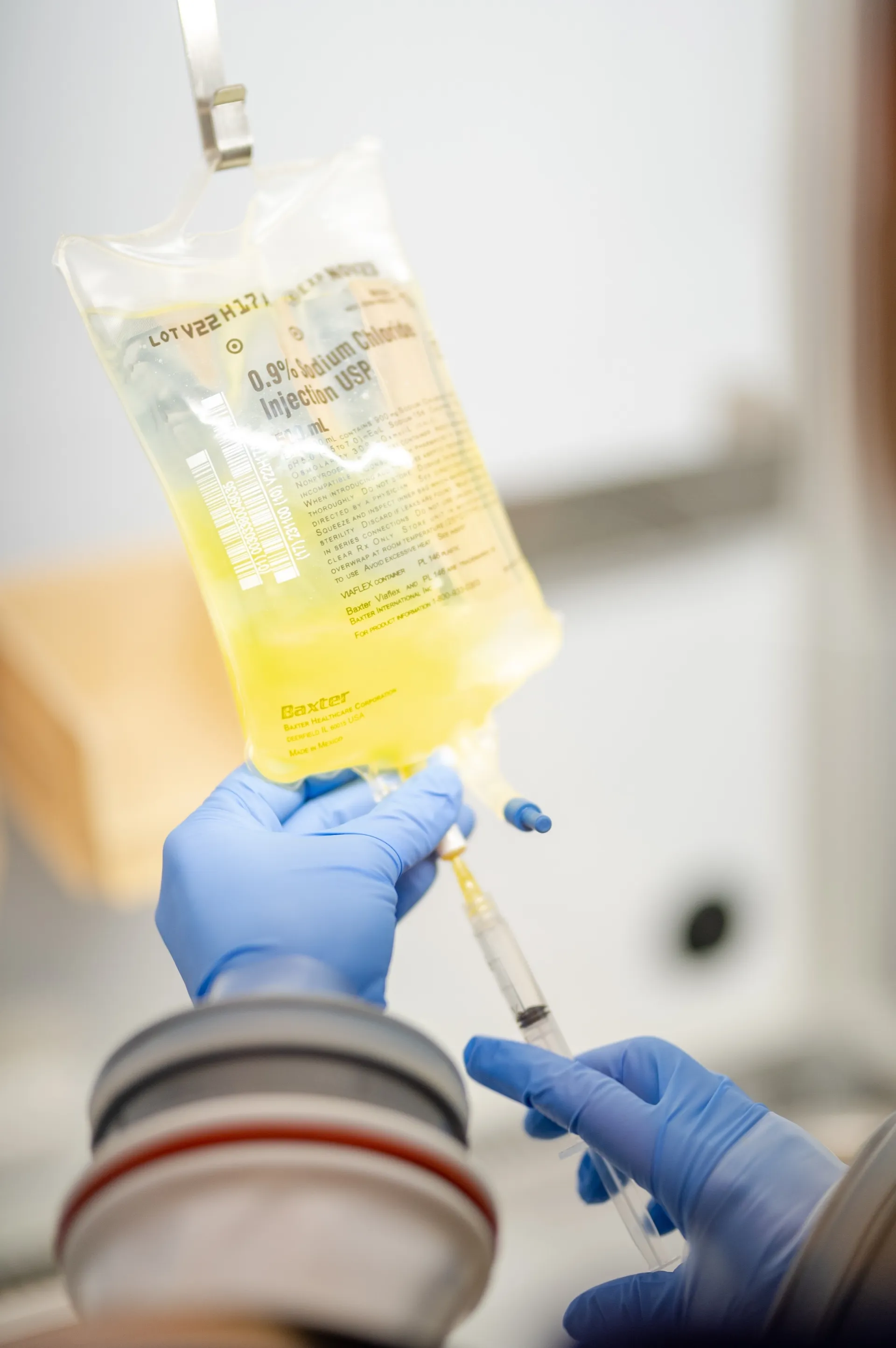
Shut it down before it starts.
Immune & RecoveryGet back to full speed.
 Immune & Recovery
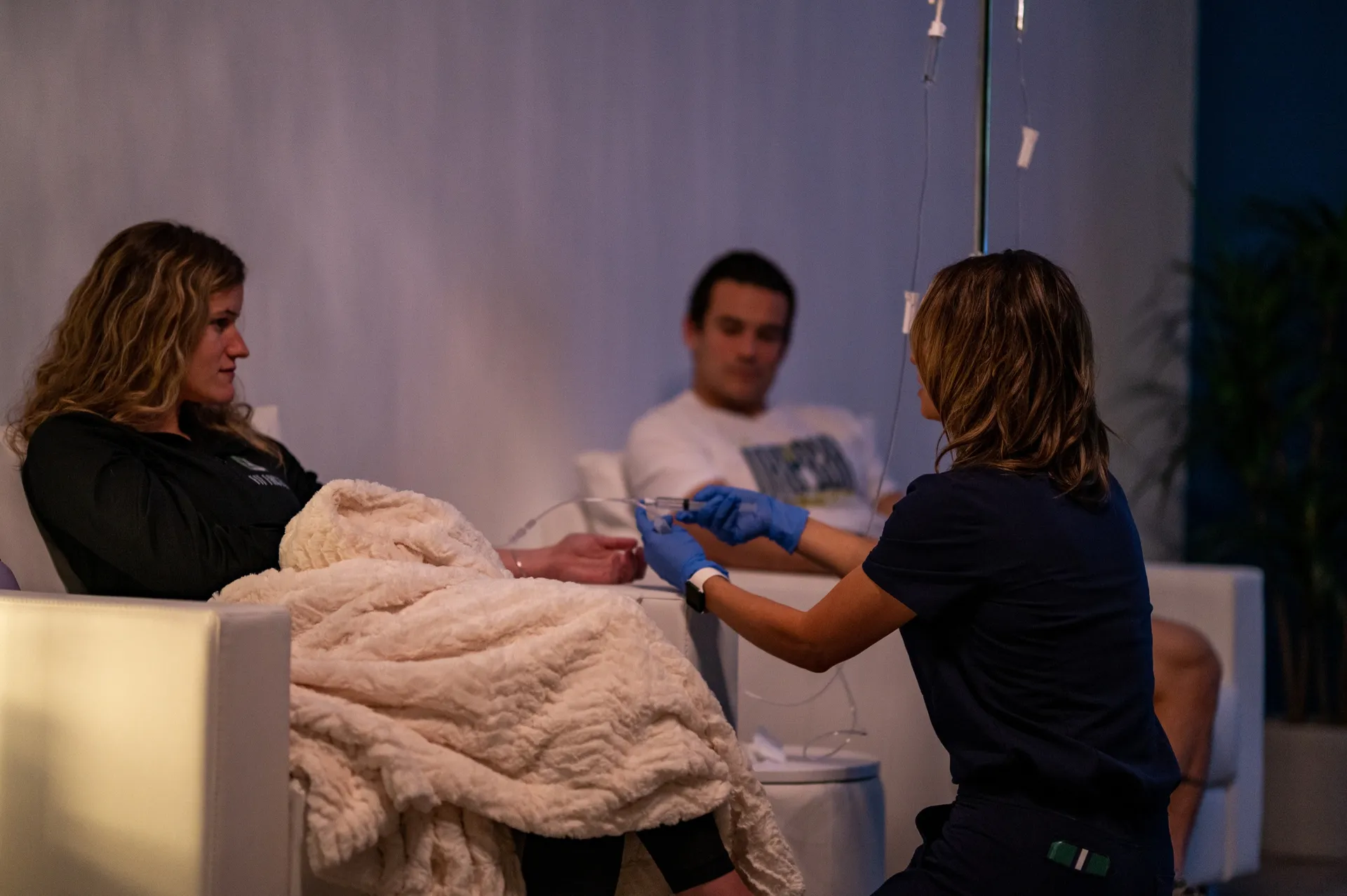
Everyday immune armour.
 Immune & Recovery
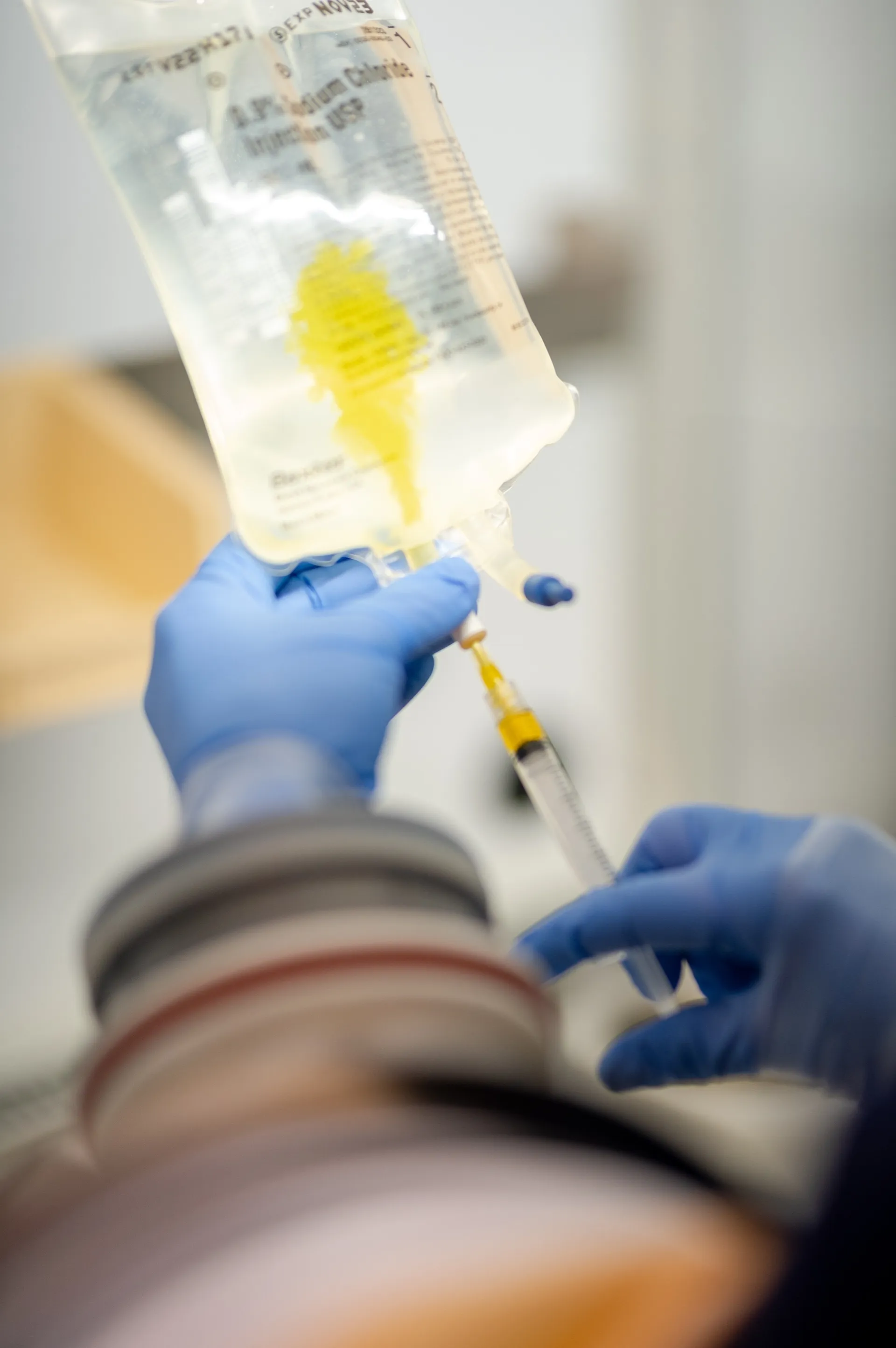
Calm the histamine storm.
 Specialty Wellness
Clinical-grade ascorbate therapy.
How does stress management help improve daily resilience?+
Managing stress can help your body recover more efficiently and maintain steadier energy. Simple routines like rest, hydration, and mindful breaks support this process. Over time, these habits may make it easier to bounce back from busy or demanding periods.
Why does recovery time differ for each person?+
Recovery time varies due to factors like sleep, nutrition, workload, and individual habits. Some people may notice they bounce back quickly, while others take longer. Recognizing your own patterns can help you choose supportive steps that fit your needs.
How does inflammation affect the immune system?+
Inflammation is a natural response that can sometimes linger after stress or illness. When it persists, it may impact how your immune system responds to daily challenges. Supporting your body with rest and hydration can help manage these effects.
Why is Immune And Recovery Support popular with busy professionals?+
Busy professionals often face stacked stress and inconsistent routines, which can leave them feeling depleted. Immune And Recovery Support offers gentle options that fit into demanding schedules. This approach helps maintain steadier energy and resilience.
How can you adjust your habits to maintain steady energy?+
Small changes like prioritizing rest, staying hydrated, and eating balanced meals can help maintain steady energy. Paying attention to your body’s signals is important. Consistency with these habits supports ongoing recovery.
What are signs your recovery progress is plateauing?+
If you notice persistent fatigue, low motivation, or slow improvement after rest, your recovery may be plateauing. These signs suggest it could be time to reassess your habits. Exploring supportive options may help you regain momentum.
How do you balance vitamins with other nutrient sources?+
Vitamins are most effective when combined with a balanced diet and healthy lifestyle. It is important to get nutrients from a variety of sources, including food and hydration. This balanced approach supports overall wellness and recovery.
What quality and safety standards support Immune And Return to form Support?+
All services are provided by licensed medical professionals following established protocols. Safety, transparency, and individualized recommendations are priorities. This ensures each experience is both safe and supportive.
How does mental wellness relate to feeling fatigued?+
Mental wellness and physical recovery are closely linked. Stress or emotional strain can contribute to lingering fatigue. Supporting both mind and body can help you feel more balanced and resilient.
When should you seek professional care for slow return to form?+
If you experience new, severe, or worsening symptoms, it is important to seek medical care. Persistent issues that do not improve with rest may need further attention. Always consult a healthcare provider if you are concerned about your recovery.