Why does fatigue linger so long?
After the initial infection, many expect to feel better quickly, but Epstein-Barr Virus (EBV) symptoms can persist. Lingering fatigue and brain fog often disrupt daily routines and make recovery feel slow. Consistent management and support are key to regaining energy.
Find Relief and Renewed Energy Today
Support for lasting recovery.
Many people experience ongoing fatigue and immune challenges after an Epstein-Barr Virus (EBV) infection. The DRIPBaR offers targeted IV therapies that deliver essential nutrients directly to your system, supporting your body’s recovery process. These therapies are designed to help reduce inflammation, replenish depleted vitamins, and restore overall vitality. Regular sessions may help you regain stamina and improve your quality of life.At The DRIPBaR, you can access IV therapies that focus on immune support and post-viral recovery. Our approach emphasizes consistent care and personalized support to address lingering symptoms. By working with our licensed nurses, you receive attentive, professional guidance throughout your wellness journey. Book your appointment today to start feeling your best.
Did you know?
Epstein-Barr Virus (EBV) can remain dormant in the body and reactivate years after the initial infection.
Understanding Epstein-Barr Virus Recovery
Many expect viral infections to resolve quickly, but Epstein-Barr Virus (EBV) often behaves differently. EBV is a herpesvirus that causes infectious mononucleosis and can remain dormant in the body for years. When reactivated, it may trigger symptoms like fatigue, muscle aches, and immune imbalance. This virus is primarily spread through saliva but can also be transmitted via other bodily fluids.Common triggers for EBV reactivation include chronic stress, immune suppression, and other illnesses. Managing EBV involves supporting the immune system, reducing inflammation, and addressing persistent symptoms. Lifestyle adjustments, balanced nutrition, and consistent self-care are important for long-term management. Professional guidance can help tailor strategies to individual needs and reduce the risk of flare-ups.
Symptoms of Epstein-Barr Virus
Acute Epstein-Barr Virus (EBV) infection often begins with profound fatigue, sore throat, and swollen lymph nodes. Fever and body aches are also common, making it difficult to maintain normal routines. These symptoms can last for several weeks and may be more severe in adolescents and young adults. Some people experience headaches, muscle weakness, and a general sense of malaise.For many, symptoms do not fully resolve after the initial infection. Chronic or reactivated EBV can lead to ongoing tiredness, brain fog, and reduced exercise tolerance. Muscle pain, joint discomfort, and lingering sore throat may also persist. These issues can interfere with work, school, and daily activities, making recovery feel slow.In some cases, EBV is linked to immune system dysregulation, increasing the risk of autoimmune conditions. Flare-ups may cause inflammation, mood changes, and difficulty concentrating. Recognizing these patterns helps individuals seek timely support and adopt strategies to manage symptoms more effectively.
Traditional Treatments
When symptoms of Epstein-Barr Virus (EBV) appear, most care focuses on rest, hydration, and symptom relief. Over-the-counter medications may help reduce fever, sore throat, and body aches. Licensed nurses often recommend supportive measures such as balanced nutrition and adequate sleep to aid recovery. In severe cases, additional medical evaluation may be needed to rule out complications.There is no cure for EBV, so long-term management emphasizes immune support and reducing inflammation. Some people benefit from therapies that address post-viral fatigue and help restore energy levels. Regular follow-up and monitoring can help identify persistent symptoms or complications. Integrating lifestyle changes, stress management, and professional support offers a comprehensive approach to ongoing care.
How IV Therapy May Help
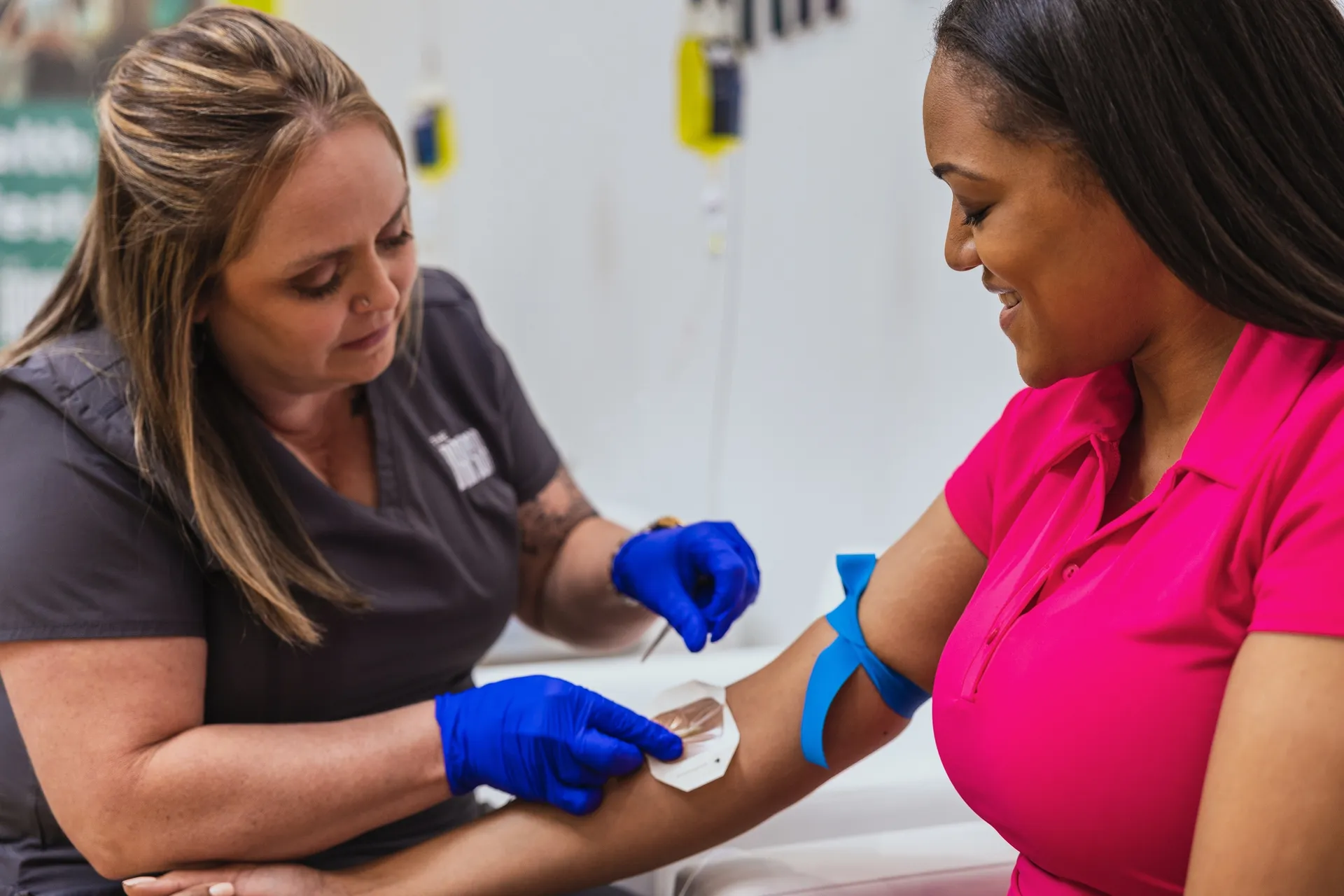
Recovering from Epstein-Barr Virus (EBV) can be challenging, especially when symptoms linger or reappear. IV therapy at The DRIPBaR delivers targeted nutrients, such as vitamins and antioxidants, directly into your bloodstream for efficient absorption. This approach supports immune function, helps reduce inflammation, and may aid in restoring energy levels. Licensed nurses oversee each session to ensure your comfort and safety.Consistent IV therapy can complement your overall wellness plan by addressing nutrient deficiencies and supporting cellular repair. Many find that regular sessions help maintain resilience and improve quality of life during recovery. While IV therapy is not a cure, it offers a supportive option for those seeking to manage post-viral fatigue and immune imbalance. Personalized care and professional guidance are central to our approach.
Targeted Support for Immune Recovery
Certain IV therapies provide focused support for immune balance and post-viral fatigue. These offerings deliver nutrients that help reduce inflammation and promote energy restoration. Regular sessions may help you feel more resilient during recovery.
Ascorbic Acid (Vitamin C), NAC, Magnesium, Zinc
Allergy therapy delivers key nutrients like Ascorbic Acid, NAC, Magnesium, and Zinc directly into the bloodstream for rapid support. This approach helps reduce inflammation and oxidative stress while promoting tissue repair. It supports balanced immune function and respiratory comfort. Regular treatments may enhance energy and mental clarity. Individual responses vary, so monitoring and professional guidance are recommended.
Ascorbic Acid (Vitamin C), Dexpanthenol (Vitamin B5), Methylcobalamin (B12), B-Complex, Pyridoxine (Vitamin B6), Zinc, Magnesium, Taurine, L-Carnitine
Powerpack provides a targeted blend of vitamins, minerals, and amino acids to support physical and cognitive performance. This infusion delivers nutrients such as Ascorbic Acid, Magnesium, and L-Carnitine directly into the bloodstream for rapid absorption. It helps reduce fatigue, enhance muscle recovery, and improve mental focus. Suitable for active individuals and those needing nutritional replenishment, this therapy supports overall wellness and stamina. The formula is designed to aid energy production and immune resilience. Regular use may contribute to sustained vitality and improved recovery times.
Ascorbic Acid (Vitamin C), Magnesium, Methylcobalamin (B12), B-Complex, Zinc, NAC
Shield provides a targeted blend of nutrients delivered intravenously to support immune system strength and cellular repair. It includes antioxidants and vitamins that help reduce oxidative stress and promote tissue healing. This infusion is designed for individuals seeking to enhance their resilience and recover from physical or immune challenges. The direct delivery method ensures rapid nutrient absorption and effective support. It is suitable for a wide range of wellness needs and recovery goals.
FAQs About Epstein-Barr Virus (EBV)
Why is Epstein-Barr Virus (EBV) support popular with busy professionals?+
Epstein-Barr Virus (EBV) support is valued by busy professionals because lingering fatigue can disrupt work and daily routines. IV therapies may help restore energy and support immune function. Many appreciate the convenience of targeted nutrient delivery. This approach can fit into demanding schedules while addressing ongoing symptoms.
Why do recovery days matter for feeling better?+
Recovery days are important because Epstein-Barr Virus (EBV) can cause prolonged fatigue and immune imbalance. Taking time to rest allows the body to heal and regain strength. Consistent self-care supports a steadier return to normal activities. Prioritizing recovery can lead to better long-term outcomes.
Why does consistent care matter for long-term management of Epstein-Barr Virus (EBV)?+
Consistent care is essential for managing Epstein-Barr Virus (EBV) because symptoms can fluctuate over time. Regular support helps address fatigue, inflammation, and immune challenges. Ongoing attention reduces the risk of flare-ups and complications. This approach supports overall wellness and resilience.
How can I identify patterns in fatigue flare-ups?+
Tracking your symptoms and daily routines can reveal patterns in fatigue flare-ups. Noting when tiredness worsens may help identify triggers like stress or lack of sleep. Recognizing these trends allows for better planning and self-care. Early intervention can help minimize the impact of flare-ups.
What are some ways to personalize care for Epstein-Barr Virus (EBV)?+
Personalizing care for Epstein-Barr Virus (EBV) involves tailoring strategies to your unique symptoms and lifestyle. This may include adjusting nutrition, managing stress, and seeking targeted therapies. Working with licensed nurses can help create a plan that fits your needs. Regular evaluation ensures your approach remains effective.
What at-home practices complement vitamin C?+
At-home practices that complement vitamin C include eating a balanced diet rich in fruits and vegetables. Staying hydrated and getting enough sleep also support immune health. Managing stress and avoiding smoking can further enhance benefits. These habits work together to promote recovery.
What is the pre-appointment checklist to get ready for Epstein-Barr Virus (EBV) support?+
Before your appointment, ensure you are well-hydrated and have eaten a light meal. Bring a list of your current medications and any questions for the licensed nurse. Wear comfortable clothing for your session. Arriving prepared helps make your visit smooth and effective.
How can I maintain balance during recovery?+
Maintaining balance during recovery involves pacing your activities and listening to your body. Prioritize rest, nutrition, and gentle movement as tolerated. Avoid overexertion, which can trigger setbacks. Consistent self-care supports a smoother recovery process.
What role do micronutrients play in immune system performance?+
Micronutrients such as vitamins and minerals are vital for immune system performance. They help regulate immune responses and support cellular repair. Deficiencies can make it harder to recover from viral infections. Ensuring adequate intake promotes resilience and overall health.
How can pairing complementary services amplify recovery?+
Pairing complementary services, such as IV therapy and lifestyle changes, can enhance recovery from viral fatigue. Combining targeted nutrient support with healthy habits addresses multiple aspects of wellness. This approach may lead to more sustained improvements. Regular evaluation helps optimize your plan.