Struggling to regain strength after surgery?
After surgery, your body needs extra support to heal efficiently. Inadequate hydration and nutrient intake can slow recovery and increase discomfort. Comparing options helps you choose the best path for a smoother, safer healing process.
Support Healing With Targeted Nutrients
Personalized recovery support.
IV therapy at The DRIPBaR provides hydration and essential nutrients directly to your bloodstream, helping your body repair tissue and manage inflammation. This approach supports immune function, reduces fatigue, and can ease discomfort during the critical post-surgery phase. By replenishing vitamins, minerals, and antioxidants, you may experience improved energy and a more comfortable recovery. These benefits are especially valuable for those with higher nutritional needs or slower healing rates.Recovery services at The DRIPBaR are designed to complement your existing care plan and help you return to daily activities with confidence. Licensed nurses oversee each session, ensuring safety and a personalized approach. If you want to support your body’s natural healing process, consider scheduling a session. Book your appointment today to take the next step in your recovery.
Did you know?
Proper hydration and nutrient intake can significantly influence the speed and quality of post-surgery recovery.
Understanding Post-Surgery Recovery
Recovering from surgery involves more than just rest; it requires your body to repair tissue, manage inflammation, and restore normal function. The healing process is influenced by the type of surgery, your overall health, and how well you maintain hydration and nutrition. While some people bounce back quickly, others may experience a longer recovery due to age, underlying conditions, or nutritional deficits. Recognizing these factors can help you make informed choices about your recovery plan.Common triggers for delayed recovery include poor appetite, dehydration, and inadequate nutrient intake. Managing these challenges often involves a combination of rest, prescribed medications, wound care, and physical therapy. Supporting your body with the right nutrients and hydration can make a meaningful difference. It’s important to follow your healthcare provider’s advice and consider additional supportive measures as needed.
Common Symptoms of Slow Recovery
Fatigue is a frequent symptom after surgery, often resulting from the body’s increased energy demands during healing. Swelling and discomfort are also common, as tissues repair and inflammation subsides. Some people may notice reduced mobility, making daily activities more challenging. Nausea or loss of appetite can further complicate recovery by limiting nutrient intake.Symptoms can vary based on the type and complexity of the procedure. For example, orthopedic surgeries may lead to stiffness and muscle weakness, while abdominal surgeries might cause digestive changes. It’s normal for symptoms to fluctuate as your body heals. Monitoring your progress and communicating with your healthcare provider can help address concerns early.In some cases, slow recovery may increase the risk of complications like infection or scarring. Persistent fatigue or discomfort should be discussed with your care team. Taking steps to support hydration, nutrition, and immune function can help manage symptoms and promote a smoother recovery.
Traditional Treatments
Standard post-surgery recovery typically includes rest, prescribed medications, wound care, and physical therapy. These approaches are designed to reduce pain, prevent infection, and encourage tissue repair. Your healthcare provider may also recommend specific exercises or mobility routines to restore function. Each person's recovery plan is tailored to their unique needs and the type of surgery performed.Additional supportive measures, such as proper hydration and balanced nutrition, play a key role in healing. Some individuals may benefit from targeted nutrient support, especially if appetite is low or healing is slow. It's important to follow your provider's instructions and attend all scheduled follow-up appointments. Combining traditional care with supportive therapies can help optimize your recovery experience.
How IV Therapy May Help
IV therapy at The DRIPBaR delivers hydration, vitamins, minerals, and antioxidants directly into your bloodstream, supporting your body's natural healing processes. This method allows for rapid absorption and can help replenish nutrients lost during surgery or periods of low appetite. By targeting specific needs, IV therapy may help reduce inflammation, support immune function, and promote tissue repair. All services are provided under the supervision of licensed nurses to ensure safety and comfort.While traditional recovery methods remain essential, adding IV nutrient support can complement your overall plan. The DRIPBaR's offerings are designed to address common challenges such as fatigue, discomfort, and slow healing. Personalized care helps you feel more confident as you recover. Discuss your options with your healthcare provider to determine if this supportive approach is right for you.
Supportive Options for Recovery Needs
A variety of wellness services can help address the unique challenges of post-surgery recovery. These offerings focus on hydration, nutrient replenishment, and immune support. Choosing the right approach may help you feel stronger and more comfortable during healing.
Hyperbaric Chambers
Hyperbaric Chambers use pressurized oxygen to increase the amount of oxygen dissolved in blood plasma, which supports faster tissue repair and reduces inflammation. This therapy enhances cellular energy production and helps balance immune function. Sessions typically last between 60 and 90 minutes and are conducted under professional supervision. Clients often experience relaxation and improved mental clarity after treatment. Benefits may accumulate with repeated sessions as part of a wellness routine. This approach complements other therapies aimed at recovery and vitality.
Pre/Post-Op
Ascorbic Acid (Vitamin C), Magnesium, Zinc, Methylcobalamin (B12), B-Complex, Amino Acids, Calcium
Pre/Post-Op is an intravenous therapy designed to support the body’s needs before and after physical stress or procedures. It delivers essential nutrients such as Vitamin C, Magnesium, and Zinc directly into the bloodstream for rapid absorption. This approach helps reduce oxidative stress, supports immune function, and promotes tissue repair. It also aids in restoring energy and mood balance. The therapy is suitable for a variety of individuals seeking to enhance their recovery and overall wellness. It provides targeted support to optimize healing and reduce downtime. This treatment is part of a comprehensive wellness strategy focused on cellular health.
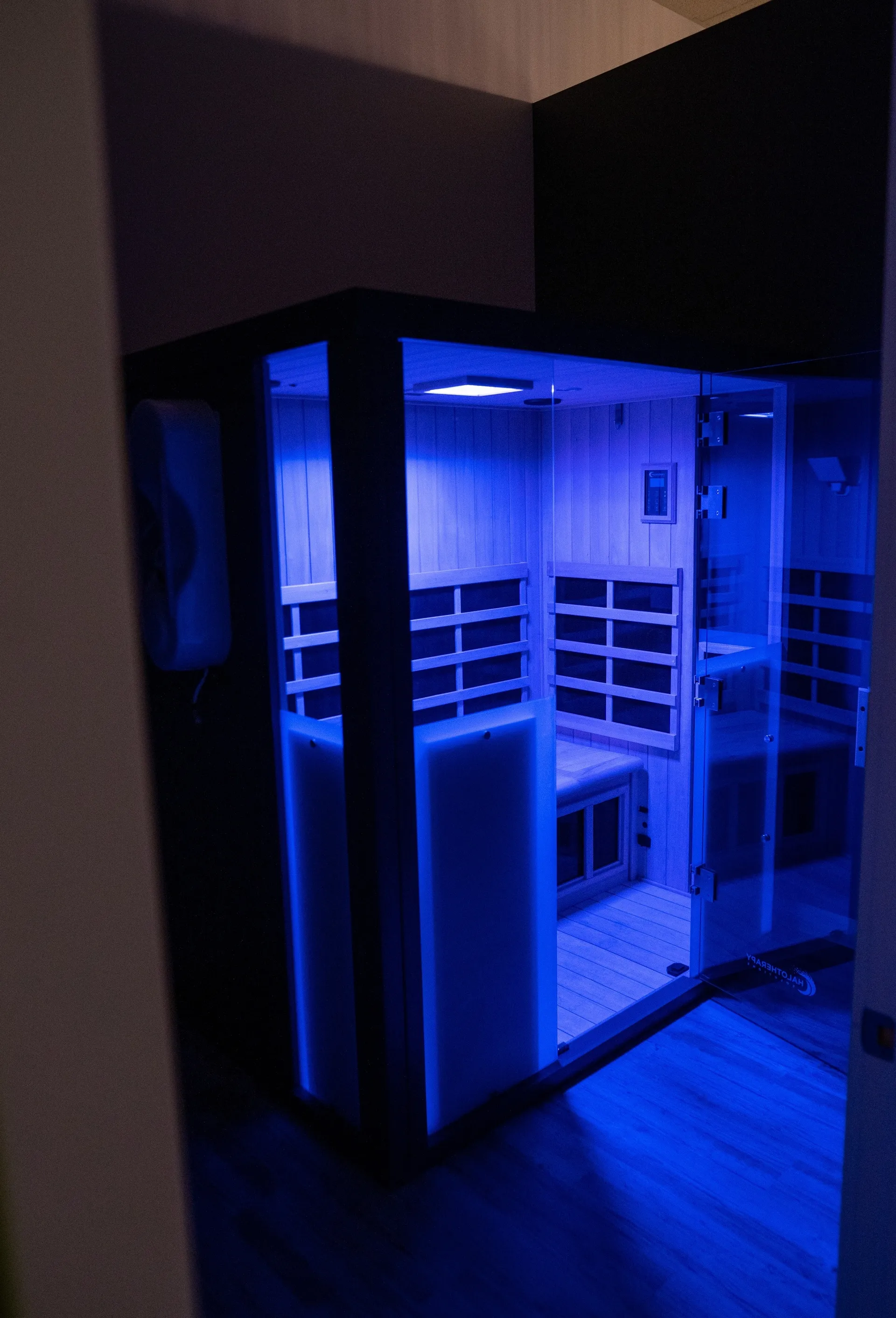
Red Light Therapy delivers specific wavelengths of red and near-infrared light to the skin and underlying tissues. This process stimulates mitochondrial function, which can enhance cellular energy production and promote tissue repair. The therapy may also help modulate inflammation and improve circulation. Sessions are typically 10 to 20 minutes long and require no downtime. It is often used alongside other wellness treatments to support recovery and resilience. The treatment is non-invasive and designed for comfort. Regular sessions may contribute to improved skin tone and tissue quality over time.
FAQs About Post-Surgery Recovery
When is the best time of day to use vitamin C after surgery?+
Vitamin C can be beneficial at any time during recovery, as it supports collagen production and wound healing. Some people prefer morning infusions to align with their daily routines. Consistency is more important than timing for optimal results. Always follow your provider’s guidance for safe use.
When might services not be appropriate for nurses recovering from surgery?+
Services may not be suitable if you have certain medical conditions, active infections, or are under specific post-operative restrictions. Nurses should consult their healthcare provider before starting any new therapy. Individual needs and recovery protocols can vary. Safety and professional oversight are always prioritized.
Why can small adjustments improve Post-Surgery Recovery outcomes?+
Small changes, like increasing hydration or nutrient intake, can support your body’s healing process. These adjustments may help reduce fatigue and promote tissue repair. Gradual improvements can add up over time for better recovery. Personalized care ensures your plan fits your needs.
Why is moderate physical activity beneficial for surgical recovery?+
Moderate activity helps maintain muscle strength and circulation, which are important for healing. Gentle movement can reduce stiffness and support overall recovery. Always follow your provider’s recommendations regarding activity levels. Listen to your body and progress at a comfortable pace.
What everyday choices may worsen fatigue during recovery?+
Skipping meals or not drinking enough fluids can increase fatigue after surgery. Overexertion or ignoring rest needs may also slow healing. It’s important to balance activity with adequate nutrition and hydration. Making mindful choices supports a smoother recovery.
How does your immune system change with age?+
As you age, your immune system may become less responsive, affecting recovery speed. Older adults might experience slower wound healing and increased risk of infection. Supporting immune health with proper nutrition is important. Regular check-ins with your provider help monitor progress.
How can you recognize progress after beginning Post-Surgery Restoration support?+
Improvements may include increased energy, reduced swelling, and better mobility. Tracking daily symptoms can help you notice positive changes. Progress is often gradual, so patience is important. Celebrate small milestones as your body heals.
How can wellness goals be adjusted to align with improved energy?+
Setting realistic goals helps you track recovery and stay motivated. Adjusting your plan as you regain strength can support lasting results. Focus on gradual increases in activity and self-care. Regularly reassess your goals with your provider.
How can nutrition support lasting wound healing?+
Proper nutrition provides the building blocks for tissue repair and immune support. Vitamins and minerals like vitamin C and zinc are especially important. Consistent nutrient intake can promote lasting healing. Discuss dietary needs with your healthcare provider.
What simple changes can enhance stamina results?+
Staying hydrated and eating balanced meals can help maintain stamina during recovery. Incorporating gentle movement supports energy levels. Rest is equally important for optimal results. Small, consistent changes often lead to noticeable improvements.