Struggling to manage daily pain?
When pain lingers for months, it can disrupt routines and limit activities. Many people search for ways to ease discomfort and regain control. Finding effective, ongoing relief is a common challenge.
Feel Better and Move With Ease
Support for lasting relief.
Chronic pain can affect every part of your life, from mobility to mood. The DRIPBaR offers wellness therapies that focus on reducing inflammation, supporting nerve health, and promoting tissue recovery. These services are designed to help you feel more comfortable and improve your daily function. By addressing underlying causes, you may notice greater flexibility and less discomfort over time.Our team at The DRIPBaR provides a supportive environment where you can explore non-pharmaceutical options for pain management. Each visit is tailored to your needs, with a focus on gentle, integrative care. If you’re ready to take steps toward better comfort, book an appointment today. Discover how a personalized approach can help you manage chronic pain.
Did you know?
Chronic pain can impact mood, sleep, and social life, often leading to anxiety or depression if left unmanaged.
Understanding Chronic Pain Basics
Chronic pain is defined as discomfort that lasts longer than three months, often continuing beyond the usual healing period of an injury or illness. Unlike acute pain, which signals immediate harm, chronic pain can persist without a clear cause and may become a condition in itself. It can affect any part of the body and range from mild to severe, sometimes interfering with daily life. Over time, ongoing pain can influence both physical and emotional well-being.Common triggers include injury, nerve damage, inflammation, autoimmune conditions, and post-surgical changes. Factors like poor posture, stress, and lack of sleep may worsen symptoms. Managing chronic pain often involves a combination of therapies, lifestyle adjustments, and emotional support. Tracking changes in comfort and function can help guide your approach to long-term relief.
Common Symptoms of Chronic Pain
Chronic pain often presents as persistent aches, burning, or sharp sensations that last beyond the expected healing time. These symptoms can be constant or come and go, sometimes worsening with activity or stress. Many people also notice stiffness, reduced mobility, or muscle tension in affected areas. The intensity and pattern of pain can vary widely from person to person.In addition to physical discomfort, chronic pain may lead to fatigue, sleep disturbances, and difficulty concentrating. Emotional symptoms such as irritability, anxiety, or low mood are also common. Some individuals experience pain flares triggered by weather changes, overuse, or emotional stress. Over time, these symptoms can impact relationships and daily routines.Other signs include sensitivity to touch, numbness, or tingling, especially if nerves are involved. Swelling or redness may occur with underlying inflammation. People with chronic pain sometimes develop avoidance behaviors, limiting movement to prevent discomfort. Recognizing these patterns can help in seeking appropriate support and care.
Traditional Treatments
Traditional approaches to chronic pain often begin with medications such as nonsteroidal anti-inflammatory drugs, muscle relaxants, or nerve pain modulators. Physical therapy, exercise, and counseling are also commonly recommended to improve mobility and address emotional impacts. Many people benefit from a combination of these strategies, tailored to their specific needs and underlying causes.Some individuals seek integrative therapies to reduce reliance on medication and support natural healing. These may include wellness infusions, relaxation techniques, or lifestyle changes focused on sleep and stress management. Regular follow-up with healthcare providers helps monitor progress and adjust the care plan as needed. The goal is to enhance comfort, function, and overall quality of life.
How IV Therapy May Help
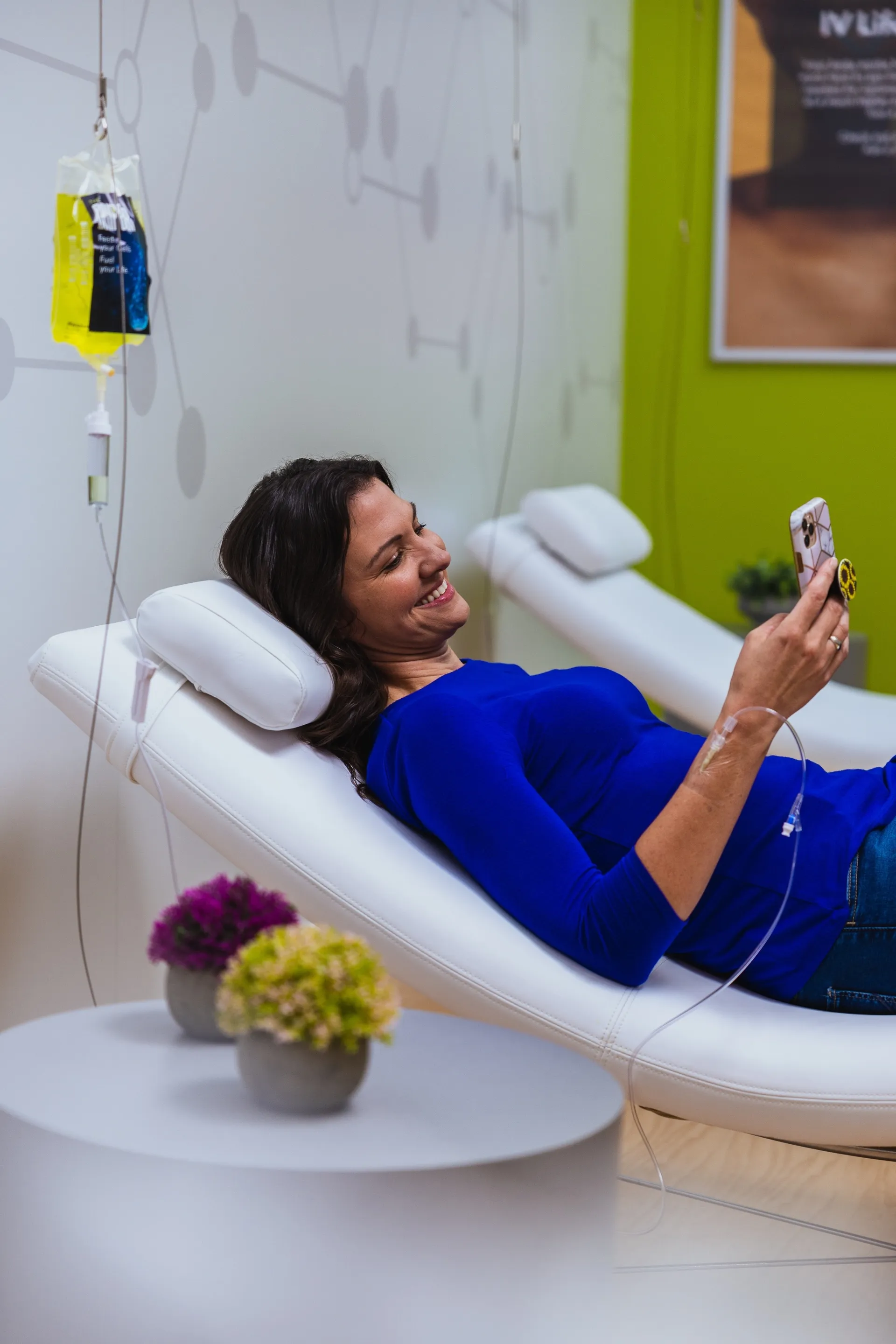
Targeted wellness therapies at The DRIPBaR are designed to support the body's natural healing processes and address the underlying factors that contribute to chronic pain. By delivering nutrients and hydration directly, these services may help reduce inflammation, ease muscle tension, and promote tissue recovery. Some clients notice benefits such as improved mobility or reduced discomfort after consistent sessions. Results can vary, and gradual improvements are often seen over time.Our approach emphasizes gentle, integrative care with attention to both physical and emotional well-being. Licensed nurses supervise each session and tailor support to your unique needs. Tracking changes in comfort and function can help you understand how these therapies fit into your overall pain management plan. Ongoing communication ensures your experience is safe and aligned with your goals.
Wellness Therapies for Pain Relief
A variety of supportive therapies can help address discomfort, reduce inflammation, and promote relaxation. These offerings are designed to complement your pain management plan. Each approach is tailored to individual needs for optimal comfort.
Cold Plunge
Cold Plunge therapy involves brief immersion in chilled water to stimulate the body’s natural recovery mechanisms. This activates vascular and neurological pathways that help reduce muscle soreness and improve mental clarity. The process also triggers neurotransmitter release, which can enhance mood and focus. Regular use may support metabolic activity and energy balance. This therapy is a natural, non-invasive approach to supporting overall wellness and resilience. It can be integrated into various health routines for ongoing benefits.
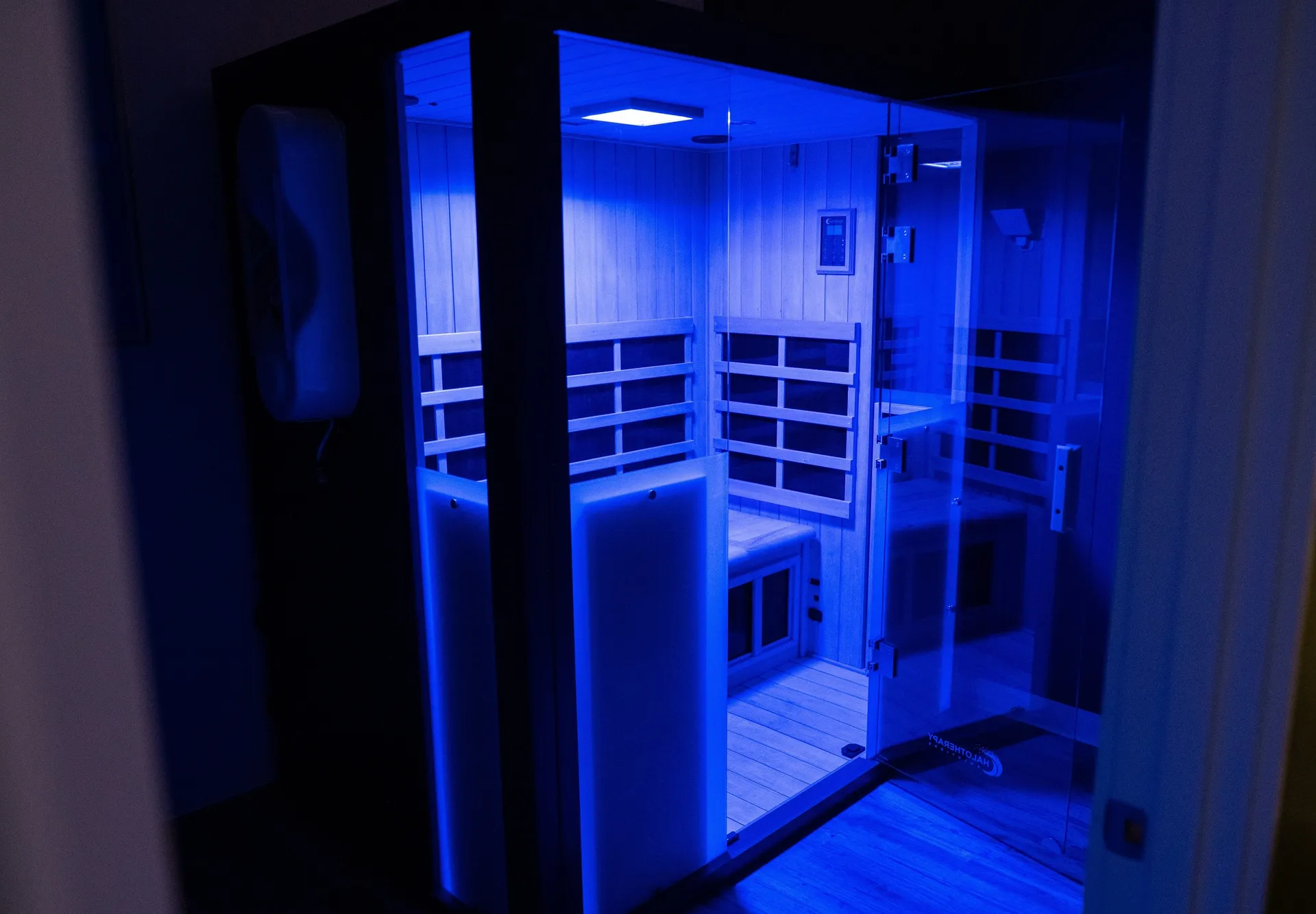
Infrared Sauna therapy offers a unique way to support the body’s natural healing processes through deep, targeted heat. By gently raising core temperature, it promotes improved circulation and encourages the elimination of toxins. The warmth helps ease muscle tension and supports skin health by enhancing nutrient delivery. Sessions are conducted in a private, comfortable setting with trained staff to ensure a relaxing experience. This therapy can be integrated with other wellness services to enhance overall benefits. Regular use may contribute to improved comfort, relaxation, and metabolic balance. It is suitable for individuals seeking a gentle, effective approach to wellness support.
Magnesium, Calcium, Taurine
Soother is a restorative intravenous infusion that delivers key nutrients like Magnesium, Calcium, and Taurine directly into the bloodstream. This approach supports muscle relaxation, emotional balance, and improved sleep quality. The infusion bypasses digestive limitations for faster nutrient absorption. It is designed for individuals seeking relief from stress, tension, and fatigue. The formula promotes mental clarity and physical recovery. This treatment offers a gentle way to restore balance and resilience. It fits well within a proactive wellness routine.
FAQs About Chronic Pain
How can I pair chronic pain support with healthy nutrition for better outcomes?+
Combining wellness therapies with balanced nutrition may enhance your comfort and recovery. Nutrient-rich foods can support tissue repair and reduce inflammation. Staying hydrated and including vitamins and minerals in your diet can further promote healing. Discussing your nutrition plan with a healthcare provider helps ensure it aligns with your pain management goals.
What boundaries help prevent overcommitment with chronic pain?+
Setting realistic limits on activities can help manage energy and reduce pain flares. Prioritizing rest and pacing yourself throughout the day supports long-term comfort. Communicating your needs to others is important for maintaining boundaries. Adjusting plans as needed helps you stay engaged without overexertion.
What signs show my efforts toward better mobility are paying off?+
Noticing increased flexibility or less discomfort during daily activities can signal progress. Improved sleep and reduced fatigue are also positive indicators. Tracking your ability to move more easily over time helps measure success. Celebrating small improvements can motivate continued self-care.
How do rest and recovery help relieve muscle tension?+
Rest allows muscles to repair and reduces the risk of overuse injuries. Taking breaks and practicing relaxation techniques can ease tightness and discomfort. Quality sleep also supports tissue healing and lowers stress. Incorporating rest into your routine can make a noticeable difference in how you feel.
How can I balance nutrition around recovery from injury?+
Focusing on protein, vitamins, and minerals supports tissue repair during recovery. Eating regular, balanced meals helps maintain energy and promotes healing. Staying hydrated is important for overall wellness. Consulting with a nutrition professional can provide personalized guidance.
What are signs it's time to pause or modify my chronic pain plan?+
Increased pain, new symptoms, or reduced effectiveness of your current approach may signal a need for change. Difficulty managing daily tasks or worsening mood are also important signs. Consulting with your healthcare provider can help reassess your plan. Adjustments may improve comfort and outcomes.
What daily priorities keep magnesium results strong?+
Maintaining a balanced diet with magnesium-rich foods supports ongoing benefits. Staying hydrated and managing stress can help your body use magnesium effectively. Regular physical activity also promotes muscle and nerve health. Consistency in these habits enhances long-term results.
Why does sleep quality matter for improved comfort?+
Good sleep helps the body repair tissues and manage pain signals. Poor sleep can increase sensitivity to discomfort and lower mood. Establishing a regular sleep routine supports healing and emotional well-being. Prioritizing rest can make daily pain easier to manage.
How do lifestyle choices affect the nervous system over time?+
Healthy habits like balanced nutrition, regular exercise, and stress management support nervous system function. Chronic stress or poor diet can increase nerve sensitivity and discomfort. Making positive lifestyle changes may help reduce pain over time. Monitoring your habits can guide adjustments for better well-being.
What should guests managing chronic pain know before an appointment?+
Arriving well-hydrated and rested can help you get the most from your session. Bring a list of current medications and note any recent changes in symptoms. Communicate your pain levels and goals with the team for tailored support. Wearing comfortable clothing can also make your visit more relaxing.