

Mental & Emotional
It’s common to feel stretched thin or notice your focus slipping during busy or stressful times. This page helps you recognize your own patterns, understand what may be contributing to them, and discover practical next steps for support and steadier days. This hub guides you in identifying your current experience, noticing signs like afternoon fog or restless nights, and considering what might be influencing your mental and emotional state. You’ll find supportive options at The DRIPBaR designed to fit into daily routines and help you move toward greater clarity and calm. Explore the information to see which approaches may align with your needs and lifestyle.We encourage a brief conversation with our team to tailor recommendations to your history, habits, and goals. Everyone’s experience is unique, and results may vary from person to person. Start by exploring the scenarios that resonate with you, then book a visit or call when you’re ready to take the next step.

Nutrient-based therapy for mental clarity may support adults with ADHD. Antioxidant IV therapy can help reduce brain fog and improve focus.
Support mental clarity with restoring mental clarity through nutrient infusions. Targeted IV therapy may help reduce cognitive fatigue and improve focus.
Support recovery with restoring energy through targeted nutrient infusions. Improve stamina and resilience with vitamin C therapy.
Find holistic energy and mood support for menopause. IV therapy may help with sleep and hormone balance during this transition.
IV Therapy to Support Emotional Balance helps stabilize mood and promote mental clarity. Magnesium infusions may also support nervous system health.
Calming Nutrient IV Support helps restore balance for better sleep. Magnesium infusions may also reduce stress and promote restful nights.
Support emotional balance with restoring emotional balance naturally. IV therapy may also promote calm and mood stability.
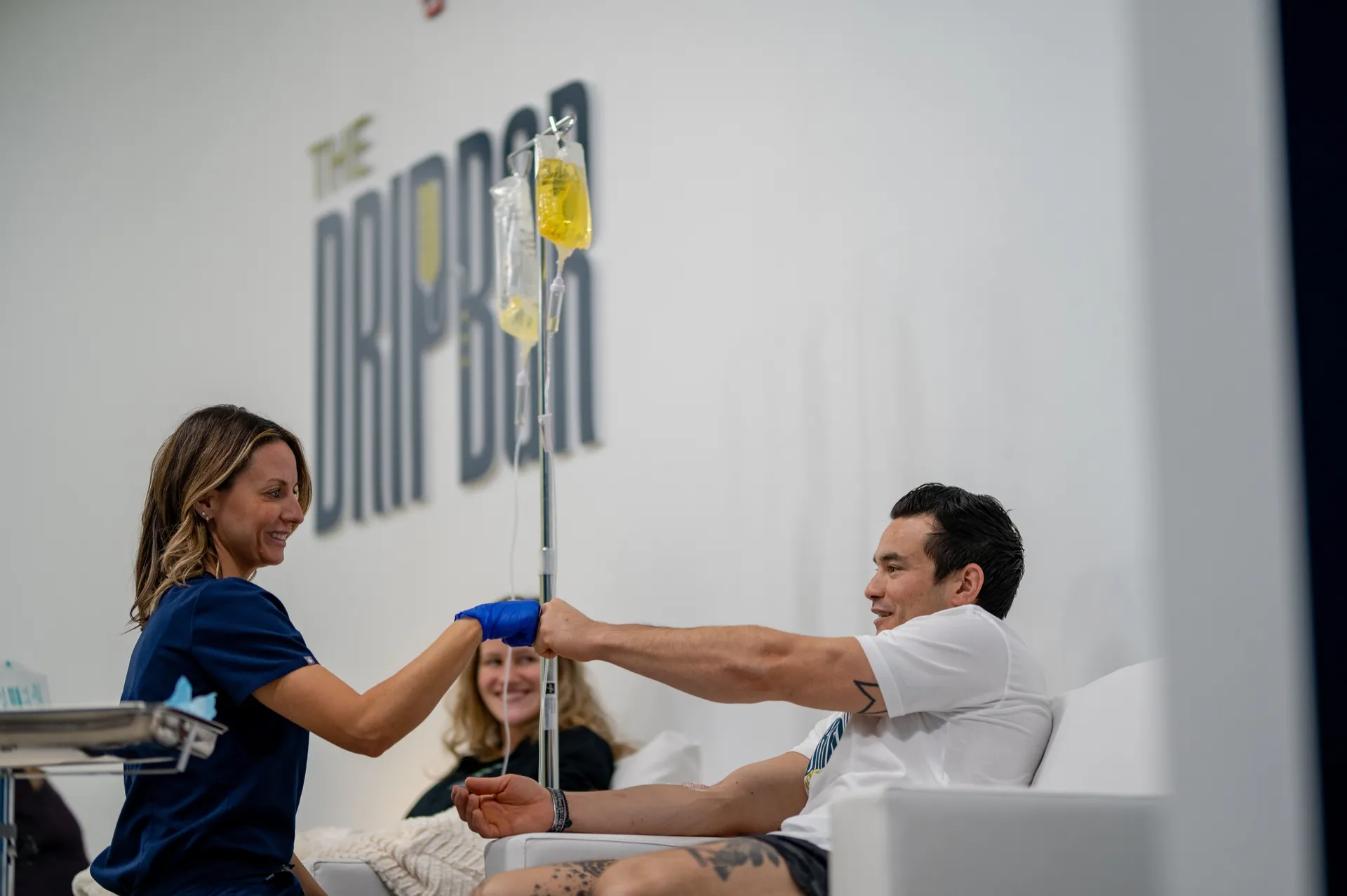 Energy & Vitality
An all-day energy lift without the crash.
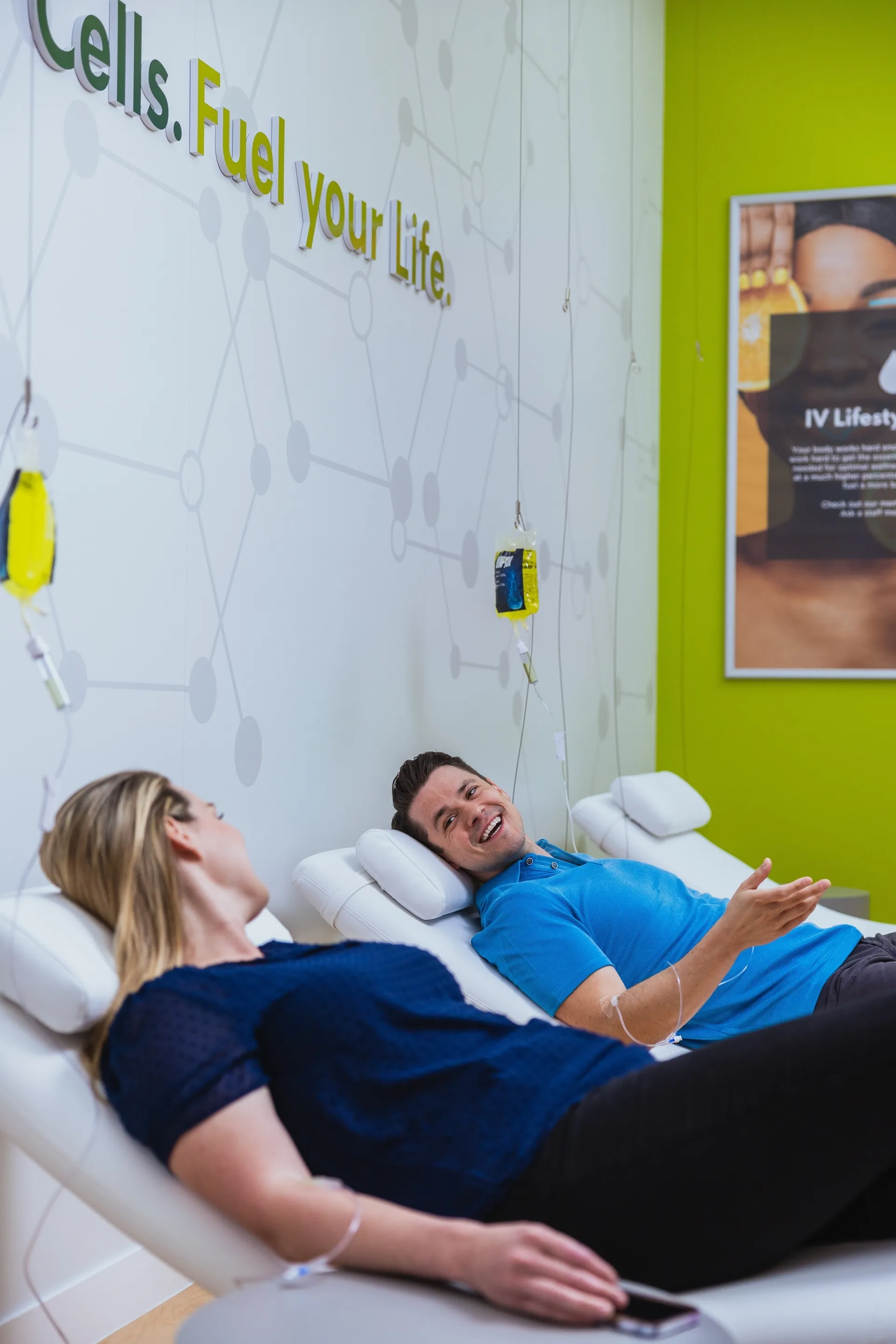 Mental & Emotional
Quiet the nerves. Settle the body.
 Specialty Wellness
Cellular energy, reimagined.
How can I tell if supportive options are making a difference?+
You may notice steadier focus, improved mood, or better sleep quality over time. Small changes in daily routines can add up to a more manageable day. Everyone’s experience is unique and progress may be gradual.
Can this type of support help me prepare for big life changes?+
Supportive routines may help you feel more balanced and resilient during major transitions. Focusing on hydration, nutrition, and rest can provide a steadier foundation. It’s important to set realistic expectations and seek additional help if needed.
What role does mindfulness play in feeling more balanced?+
Mindfulness can help you become more aware of your thoughts and reactions. Practicing mindfulness may support calm and clarity throughout your day. Combining it with other healthy habits can enhance your overall sense of well-being.
What signs suggest mental and emotional support is helping?+
You might notice less tension, more consistent focus, or easier transitions between activities. Improved sleep or a calmer baseline are also positive signs. Keep in mind that results can vary for each person.
How should I plan for stressful periods in my life?+
Anticipating busy or stressful times allows you to build supportive routines in advance. Prioritizing rest, hydration, and balanced nutrition can help you manage challenges. Adjust your approach as needed and seek help if stress becomes overwhelming.
How can I keep making progress toward feeling calmer?+
Consistency is key to maintaining momentum in your wellness journey. Tracking small improvements and celebrating progress can keep you motivated. If you feel stuck, consider adjusting your routine or reaching out for support.
How does mental well-being affect physical health outcomes?+
Mental well-being can influence how your body responds to daily stress and recovery. A balanced mindset may support overall health and resilience. Taking care of both mind and body is important for long-term wellness.
What are simple ways to notice changes in my nervous system?+
Pay attention to how you react to stress, your ability to relax, and your sleep patterns. Small shifts in these areas can indicate changes in your nervous system. Journaling or reflecting on your day may help you spot trends.
How can office workers fit wellness visits into their schedules?+
Many wellness services are designed to be efficient and flexible. Office workers can often schedule sessions before or after work, or during breaks. Planning ahead makes it easier to prioritize self-care.
How can I track improvements in my immune system?+
Notice if you recover more quickly from minor illnesses or feel less run down. Regular self-checks and attention to your energy levels can provide insight. Remember, changes may be subtle and take time to appear.