
Are lingering symptoms holding you back?
Many people find that symptoms can persist even after initial treatment. This ongoing discomfort may affect daily routines and overall well-being. Understanding how to manage these lingering effects is essential for long-term recovery.
Support for Lasting Symptom Relief
Targeted wellness support.
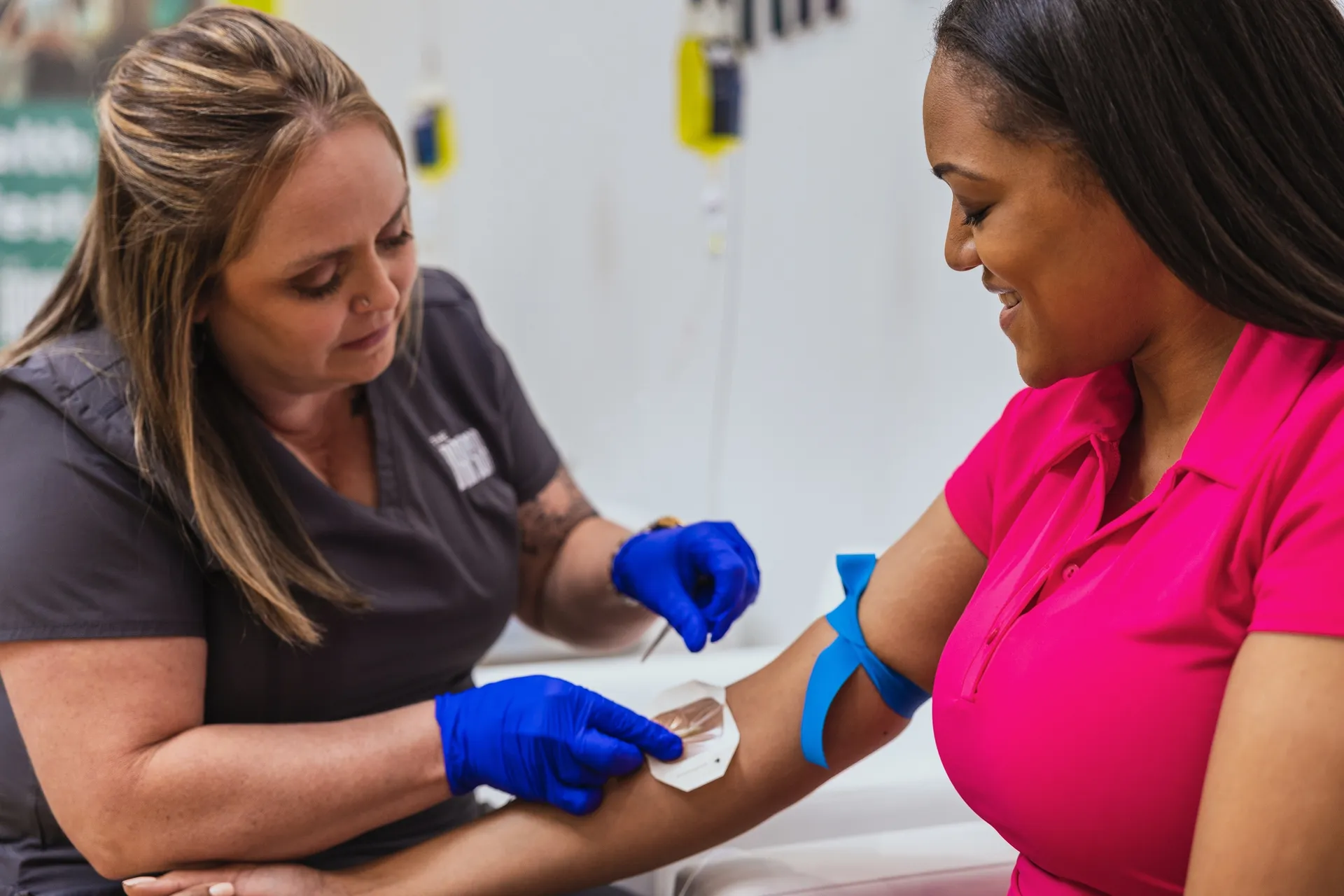
The DRIPBaR offers integrative IV therapies designed to help manage persistent symptoms associated with Lyme Disease. These therapies focus on reducing inflammation, replenishing nutrients, and supporting neurological and immune function. By delivering vitamins and antioxidants directly into the bloodstream, clients may experience improved energy and mental clarity. This approach is intended to complement standard care and provide additional support for those facing ongoing challenges.Clients can explore a range of wellness options at The DRIPBaR to address fatigue, joint pain, and cognitive fog. Each session is tailored to individual needs, with licensed nurses overseeing the process for safety and comfort. The DRIPBaR emphasizes a holistic approach, aiming to enhance quality of life for those recovering from Lyme Disease. Book an appointment to discover how these therapies may support your recovery.
Did you know?
Some people experience fatigue and neurological symptoms long after Lyme Disease treatment.
Understanding Lyme Disease Recovery
Lyme Disease is a bacterial infection transmitted by ticks, often causing fever, fatigue, and a distinctive rash. If not treated early, it can affect joints, the heart, and the nervous system, sometimes leading to long-term complications. Even after antibiotics, some individuals may continue to experience symptoms such as joint pain, memory issues, and persistent fatigue. This ongoing discomfort is sometimes called post-treatment Lyme Disease syndrome, and it may involve immune system changes and inflammation.Common triggers for lingering symptoms include delayed treatment, immune dysregulation, and residual inflammation. Managing Lyme Disease often requires a combination of medical care, lifestyle adjustments, and supportive therapies. Early intervention is important, but ongoing support can help address chronic symptoms. Working with healthcare professionals to monitor progress and adapt care strategies is key to improving quality of life.
Common Symptoms of Lyme Disease
Early Lyme Disease symptoms usually begin with fever, headache, and a circular rash at the site of a tick bite. As the infection progresses, individuals may notice increased fatigue, muscle aches, and joint pain. Some people also report sensitivity to light and mild neurological changes. These symptoms can vary in intensity and duration.For those who develop post-treatment Lyme Disease syndrome, symptoms often persist for months or even years. Chronic fatigue is common, along with ongoing joint discomfort and episodes of brain fog. Memory problems and mood changes may also occur, making daily tasks more challenging. The severity and combination of symptoms can differ widely between individuals.In some cases, neurological symptoms such as tingling, numbness, or difficulty concentrating become more pronounced. Sleep disturbances and muscle weakness may further impact daily functioning. While not everyone experiences all symptoms, the unpredictable nature of Lyme Disease can make recovery a gradual process. Regular monitoring and adaptive care are important for managing these ongoing effects.
Traditional Treatments
The primary treatment for Lyme Disease is antibiotic therapy, which is most effective when started early in the course of infection. Oral or intravenous antibiotics are used to target the bacteria and prevent further complications. Most people recover fully with timely intervention, but some may continue to experience symptoms after treatment ends. Supportive care, including rest and hydration, is often recommended during the recovery phase.For those with lingering symptoms, additional therapies may be considered to help manage fatigue, pain, and cognitive challenges. These can include physical therapy, nutritional support, and integrative approaches such as IV nutrient therapy. While these methods do not cure Lyme Disease, they may help improve comfort and quality of life. Ongoing communication with healthcare providers is essential to ensure that care plans are safe and effective.
How IV Therapy May Help
The DRIPBaR provides IV therapies that deliver targeted nutrients and antioxidants directly into the bloodstream, supporting the body's natural recovery processes. This approach allows for controlled dosing and immediate availability of key vitamins and minerals, which can help reduce inflammation and support immune function. Licensed nurses oversee each session, ensuring a safe and comfortable experience. These therapies are designed to complement traditional care and address persistent symptoms such as fatigue and cognitive fog.Clients benefit from a holistic approach that considers individual needs and wellness goals. IV therapy may help restore energy, promote tissue healing, and improve mental clarity for those managing ongoing effects of Lyme Disease. Regular sessions can support hydration and nutrient balance, contributing to overall resilience. While not a replacement for medical treatment, these services offer an additional layer of support for long-term recovery.
Supportive Wellness Options for Recovery
Specialized IV therapies can help address inflammation, replenish nutrients, and support neurological function for those recovering from Lyme Disease.
Ascorbic Acid (Vitamin C), NAC, Magnesium, Zinc
Allergy therapy delivers key nutrients like Ascorbic Acid, NAC, Magnesium, and Zinc directly into the bloodstream for rapid support. This approach helps reduce inflammation and oxidative stress while promoting tissue repair. It supports balanced immune function and respiratory comfort. Regular treatments may enhance energy and mental clarity. Individual responses vary, so monitoring and professional guidance are recommended.
Ascorbic Acid (Vitamin C), Taurine, Magnesium, Methylcobalamin (B12), Pyridoxine (Vitamin B6)
Heavy Metal Detox is an intravenous therapy formulated to assist the body in removing toxins and supporting cellular health. It includes key nutrients such as Vitamin C, Taurine, and Magnesium that help reduce oxidative stress and improve mental clarity. This treatment supports energy restoration and immune function. It is suitable for individuals seeking to enhance their natural detox pathways. Regular sessions may contribute to sustained wellness and vitality. This therapy fits into a proactive health routine aimed at maintaining balance and resilience.
Ascorbic Acid (Vitamin C), Magnesium, Calcium, Zinc, Methylcobalamin (B12), B-Complex, Taurine
Restoration delivers hydration and key nutrients directly into the bloodstream to support cellular energy and immune function. Ingredients such as Magnesium, Calcium, and Vitamin C help replenish electrolytes and antioxidants. This infusion aids in reducing fatigue and promoting muscle relaxation. It is designed for those seeking to improve overall wellness and recovery. Restoration supports mental clarity and physical balance through targeted nutrient replenishment.
Ascorbic Acid (Vitamin C), Magnesium, Methylcobalamin (B12), B-Complex, Zinc, NAC
Shield provides a targeted blend of nutrients delivered intravenously to support immune system strength and cellular repair. It includes antioxidants and vitamins that help reduce oxidative stress and promote tissue healing. This infusion is designed for individuals seeking to enhance their resilience and recover from physical or immune challenges. The direct delivery method ensures rapid nutrient absorption and effective support. It is suitable for a wide range of wellness needs and recovery goals.
Ascorbic Acid (Vitamin C), Taurine, Magnesium, Pyridoxine (Vitamin B6), Methylcobalamin (B12)
Time Machine is an intravenous infusion designed to enhance cellular energy and support overall vitality. It delivers key nutrients such as Ascorbic Acid, Taurine, and Magnesium directly to the bloodstream for improved absorption. This approach supports mitochondrial function, cognitive clarity, and tissue regeneration. Regular use may help reduce fatigue and promote skin health. The infusion provides antioxidant protection and supports immune resilience. It is suitable for individuals seeking proactive wellness and recovery support. This therapy can be part of a balanced health routine for sustained benefits.
FAQs About Lyme Disease
What are the long-term benefits of sustained symptom relief?+
Sustained symptom relief can improve daily functioning and overall well-being. Many people find that consistent support helps manage fatigue and cognitive challenges. Over time, this may lead to better quality of life and increased resilience. Individual experiences will vary, and ongoing monitoring is important.
How can regular wellness treatments help manage Lyme Disease?+
Regular wellness treatments may help reduce inflammation and support immune balance in those recovering from Lyme Disease. These therapies can address nutrient deficiencies and promote energy restoration. Many clients notice gradual improvements in symptoms with ongoing care. It is important to coordinate with healthcare providers for best results.
Should I use vitamin C before important life events?+
Vitamin C supports immune function and tissue healing, which can be beneficial before periods of increased stress or activity. Using vitamin C as part of a wellness plan may help prepare the body for upcoming challenges. It is important to consult with a healthcare provider before starting new supplements. Individual needs and responses may vary.
How do I create a realistic plan for consistent energy?+
A realistic plan for consistent energy includes balanced nutrition, regular activity, and adequate rest. Integrating supportive therapies can help address underlying fatigue. Monitoring progress and adjusting strategies as needed is key. Consulting with licensed nurses or healthcare providers ensures your plan is safe and effective.
What is true and what is not about glutathione?+
Glutathione is a powerful antioxidant that supports detoxification and reduces oxidative stress. Some claims about its benefits may be exaggerated, but research supports its role in cellular protection. It is important to rely on evidence-based information when considering glutathione use. Always discuss new therapies with a healthcare provider.
Why is proactive care important before recovery periods?+
Proactive care helps prepare the body for recovery by supporting immune function and reducing inflammation. Taking steps before a challenging period can improve resilience and comfort. Early intervention may lead to better outcomes and a smoother recovery process. Personalized plans are best developed with professional guidance.
How do I choose add-ons and boosters to complement Lyme Disease support?+
Choosing add-ons and boosters depends on individual symptoms and wellness goals. Options may include nutrients that target inflammation, energy, or immune balance. Licensed nurses can help tailor therapies to your specific needs. Always discuss options with your healthcare provider for safe integration.
What are the effects of overtraining on the nervous system?+
Overtraining can stress the nervous system, leading to fatigue and impaired recovery. This may result in decreased concentration and increased risk of injury. Supporting neurological health with proper nutrition and rest is important. Monitoring symptoms and adjusting activity levels can help maintain balance.
How can I adapt my routine to maintain symptom relief?+
Adapting your routine may involve regular wellness sessions, balanced nutrition, and stress management. Tracking symptoms helps identify what works best for you. Making gradual adjustments supports long-term improvement. Collaboration with healthcare professionals ensures your routine remains safe and effective.
How do I keep Lyme Disease support working for me over time?+
Maintaining benefits from Lyme Disease support involves regular sessions and ongoing communication with your care team. Adjusting therapies as symptoms change can help sustain positive results. Monitoring progress and setting realistic goals are important. Consistency and professional input are key to long-term success.
 Hydration & Balance
A full litre packed with vitamins and minerals. Our most-booked bag.
 Anti-Aging & Beauty
Turn the clock back at the cellular level.
 Immune & Recovery
Everyday immune armour.
 Immune & Recovery
Calm the histamine storm.
 Immune & Recovery
Support the body's own clean-up crew.