Are flare-ups disrupting your life?
Sudden joint pain can make daily activities difficult and unpredictable. Many people with gout struggle to manage swelling and discomfort, especially during flare-ups. Finding effective ways to support joint health and reduce inflammation is important for long-term relief.
Find Relief From Sudden Joint Pain
Support for joint comfort.
Gout can cause intense pain and swelling, often making it hard to move comfortably. The DRIPBaR offers wellness services that focus on supporting joint health, reducing inflammation, and promoting recovery between flare-ups. By delivering targeted hydration and nutrients, these therapies can help ease discomfort and support your body’s natural healing processes. Many clients find that consistent care helps them manage symptoms and improve mobility over time.If you are seeking a proactive approach to managing gout, The DRIPBaR provides options designed to complement your existing care plan. Our team can help you explore therapies that fit your needs and lifestyle. Book an appointment today to learn how you can support your joint health and overall well-being. Take the next step toward feeling better and staying active.
Did you know?
Gout most commonly affects the big toe but can also impact other joints, including ankles, knees, and wrists.
Understanding Gout and Its Impact
When uric acid builds up in the bloodstream, it can form sharp crystals in the joints, leading to gout. This process triggers sudden inflammation, causing intense pain, swelling, and reduced mobility. Gout is a type of inflammatory arthritis that can affect various joints, most often the big toe. Magnesium is one nutrient that may help ease joint stiffness during recovery.Common triggers for gout include diets high in purines, dehydration, obesity, and certain medications. Managing gout involves both addressing acute flare-ups and making long-term lifestyle changes. Staying hydrated, maintaining a balanced diet, and following your healthcare provider’s recommendations are important steps. Early intervention and ongoing support can help reduce the frequency and severity of symptoms.
Common Symptoms of Gout
Gout typically presents as sudden, severe pain in one or more joints, often beginning at night. The affected area may become red, swollen, and extremely tender to the touch. Even light pressure or movement can intensify discomfort, making it difficult to walk or use the joint. These episodes are called flare-ups and can last for several days.Between flare-ups, some people experience lingering stiffness or mild discomfort in the affected joints. Chronic gout may lead to persistent inflammation, reduced range of motion, and visible joint changes over time. Recurrent attacks can increase the risk of joint damage if not managed appropriately. Early recognition of symptoms is key to preventing complications.Other signs may include warmth around the joint, low-grade fever, or the development of hard lumps called tophi beneath the skin. Gout can also contribute to the formation of kidney stones in some individuals. The condition is more common in adults over 40 and postmenopausal women, but it can affect younger people with certain risk factors. Monitoring symptoms and seeking timely care can help improve outcomes.
Traditional Treatments
When gout symptoms appear, standard treatment often involves medications to reduce pain and inflammation, such as NSAIDs, corticosteroids, or colchicine. These options are typically used during acute flare-ups to provide relief and restore joint function. Uric acid–lowering medications like allopurinol or febuxostat may be prescribed to help prevent future attacks. Treatment plans are tailored to each individual's needs and medical history.Long-term management focuses on lifestyle changes, including staying well-hydrated, maintaining a healthy weight, and following a diet low in purines. Regular monitoring of uric acid levels and kidney function is important for ongoing care. Some people benefit from physical therapy or joint-supportive exercises to maintain mobility. It is essential to work closely with your healthcare provider to develop a comprehensive approach to managing gout.
How IV Therapy May Help
Imagine a scenario where joint pain interrupts your day, making even simple tasks challenging. The DRIPBaR's wellness services offer targeted hydration and nutrients that may help reduce inflammation and support tissue repair. These therapies are commonly used to promote comfort and aid recovery between flare-ups. Magnesium, for example, plays a role in easing muscle tension and supporting joint flexibility.Clients often seek these services as part of a broader wellness plan to complement traditional care. While not a replacement for prescribed medications, IV therapy can provide additional support for hydration and nutrient delivery. The DRIPBaR team works with you to personalize your experience, focusing on your unique needs and goals. Always consult your healthcare provider before starting new therapies.
Supportive Wellness for Joint Health
Certain wellness offerings can help reduce inflammation, ease discomfort, and support joint recovery. These options focus on hydration, circulation, and nutrient delivery. They are designed to complement your existing care plan for better overall joint health.
Cold Plunge
Cold Plunge therapy involves brief immersion in chilled water to stimulate the body’s natural recovery mechanisms. This activates vascular and neurological pathways that help reduce muscle soreness and improve mental clarity. The process also triggers neurotransmitter release, which can enhance mood and focus. Regular use may support metabolic activity and energy balance. This therapy is a natural, non-invasive approach to supporting overall wellness and resilience. It can be integrated into various health routines for ongoing benefits.
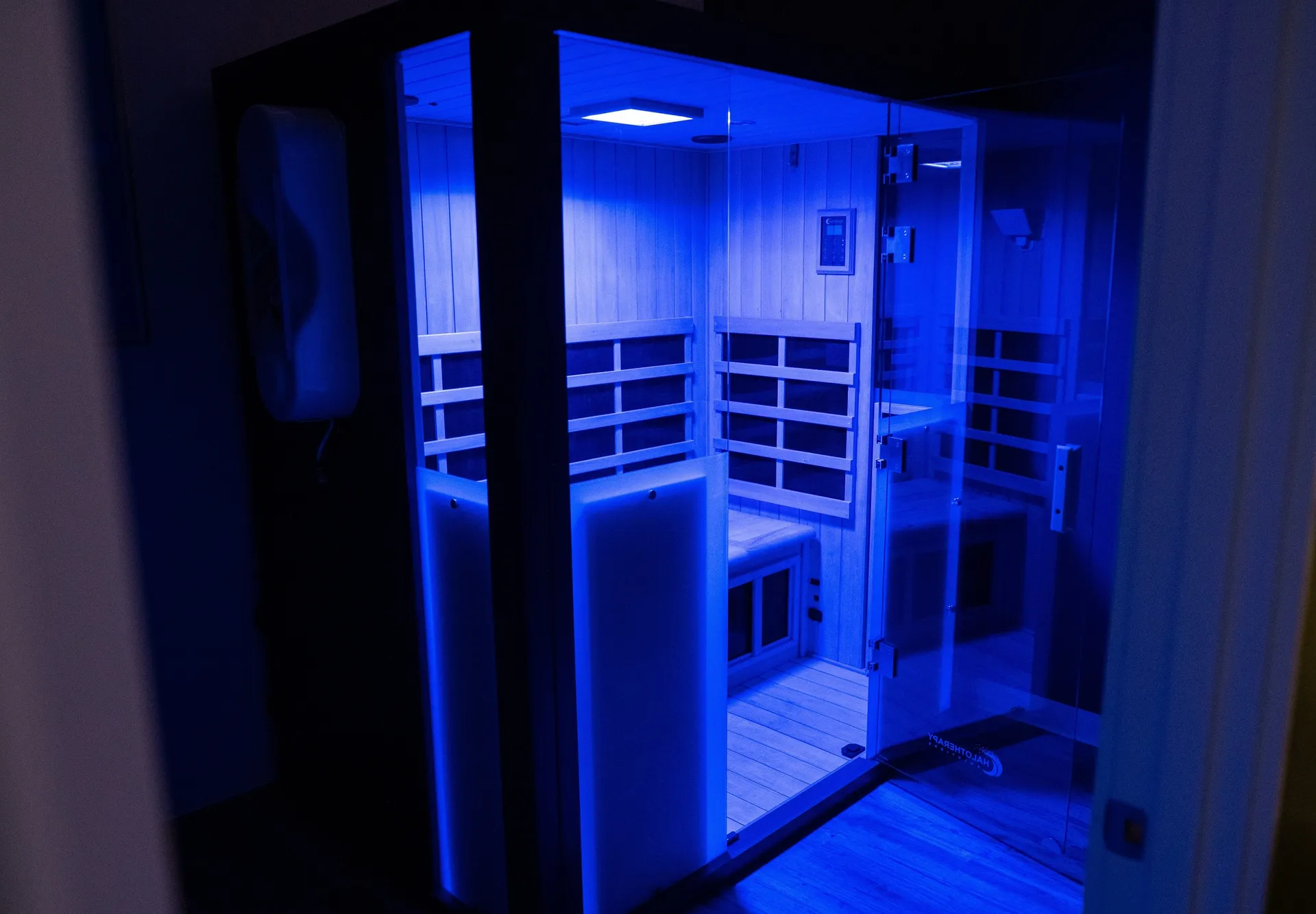
Infrared Sauna therapy offers a unique way to support the body’s natural healing processes through deep, targeted heat. By gently raising core temperature, it promotes improved circulation and encourages the elimination of toxins. The warmth helps ease muscle tension and supports skin health by enhancing nutrient delivery. Sessions are conducted in a private, comfortable setting with trained staff to ensure a relaxing experience. This therapy can be integrated with other wellness services to enhance overall benefits. Regular use may contribute to improved comfort, relaxation, and metabolic balance. It is suitable for individuals seeking a gentle, effective approach to wellness support.
Magnesium, Calcium, Taurine
Soother is a restorative intravenous infusion that delivers key nutrients like Magnesium, Calcium, and Taurine directly into the bloodstream. This approach supports muscle relaxation, emotional balance, and improved sleep quality. The infusion bypasses digestive limitations for faster nutrient absorption. It is designed for individuals seeking relief from stress, tension, and fatigue. The formula promotes mental clarity and physical recovery. This treatment offers a gentle way to restore balance and resilience. It fits well within a proactive wellness routine.
FAQs About Gout
How does sleep quality affect gout recovery?+
Good sleep supports the body’s natural healing processes, which is important during gout recovery. Poor sleep can increase inflammation and slow down tissue repair. Prioritizing rest may help reduce the frequency and severity of flare-ups. Creating a consistent sleep routine can benefit joint health over time.
What are ways to maximize comfort through personalized wellness plans?+
Personalized wellness plans can address individual triggers and support joint health in those managing gout. Hydration, balanced nutrition, and targeted therapies may help reduce inflammation and promote recovery. Adjusting your plan based on symptoms and lifestyle can improve comfort. Consulting with a healthcare provider ensures your plan is safe and effective.
How can gout management help prepare for major life events?+
Managing gout effectively can help you stay active and participate in important life events. Reducing the risk of flare-ups allows for better mobility and comfort during special occasions. Proactive care, including hydration and wellness support, can make a difference. Planning ahead with your provider helps you feel more confident and prepared.
Why do recovery days matter for long-term joint health?+
Recovery days give your joints time to heal after a gout flare-up. Rest and supportive care can reduce inflammation and prevent further damage. Taking breaks from strenuous activity helps maintain joint function over time. Consistent recovery practices contribute to better long-term outcomes.
What role does sleep play in preparing for recovery after a flare-up?+
Sleep is essential for tissue repair and immune function, especially after a gout flare-up. Quality rest helps reduce inflammation and supports the healing process. Establishing a calming bedtime routine can improve sleep quality. Good sleep habits are an important part of managing recovery.
What are tips for keeping the immune system in peak condition?+
Supporting your immune system involves balanced nutrition, regular physical activity, and adequate hydration. Managing stress and getting enough sleep also play important roles. For those with gout, these habits can help reduce inflammation and support overall health. Always discuss new wellness strategies with your provider.
Why is magnesium a popular choice for energy support?+
Magnesium is involved in energy production and muscle function, making it important for overall vitality. It can help ease muscle tension and support joint flexibility, which is beneficial for those with gout. Adequate magnesium intake may also reduce fatigue. Including magnesium-rich foods or supplements can support your energy levels.
What lifestyle changes maximize gout management's effectiveness?+
Lifestyle changes such as maintaining a healthy weight, staying hydrated, and following a low-purine diet can improve gout management. Regular exercise and limiting alcohol intake also help reduce flare-up risk. Consistency with these habits supports joint health. Working with your provider ensures your approach is tailored to your needs.
How does vitamin C support focus and concentration?+
Vitamin C is an antioxidant that helps protect cells from oxidative stress, which can impact brain function. It supports neurotransmitter production and overall cognitive health. Adequate vitamin C intake may help maintain focus and mental clarity. Including vitamin C in your diet or wellness plan can be beneficial.
How can building a routine help sustain comfort and mobility?+
Establishing a consistent routine helps manage symptoms and support joint health in those with gout. Regular hydration, balanced nutrition, and gentle exercise can reduce discomfort. Tracking symptoms and adjusting your plan as needed promotes better outcomes. A steady routine makes it easier to maintain comfort and mobility.