
- Antioxidant vitamin that supports immune function and collagen formation
- Trace mineral that supports immune defence, wound healing and skin
- Amino acid that supports gut lining, immune cells and recovery
- A family of B vitamins that support energy metabolism and a steady nervous system
Do you want to recover faster and feel stronger?
After a procedure or period of physical stress, it is common to experience fatigue, low energy, and slower healing. The body’s need for hydration and nutrients increases, which can make recovery feel longer and more difficult. Supporting your system with targeted nutrients can help restore balance and vitality.
Targeted nutrient support helps restore strength and energy.
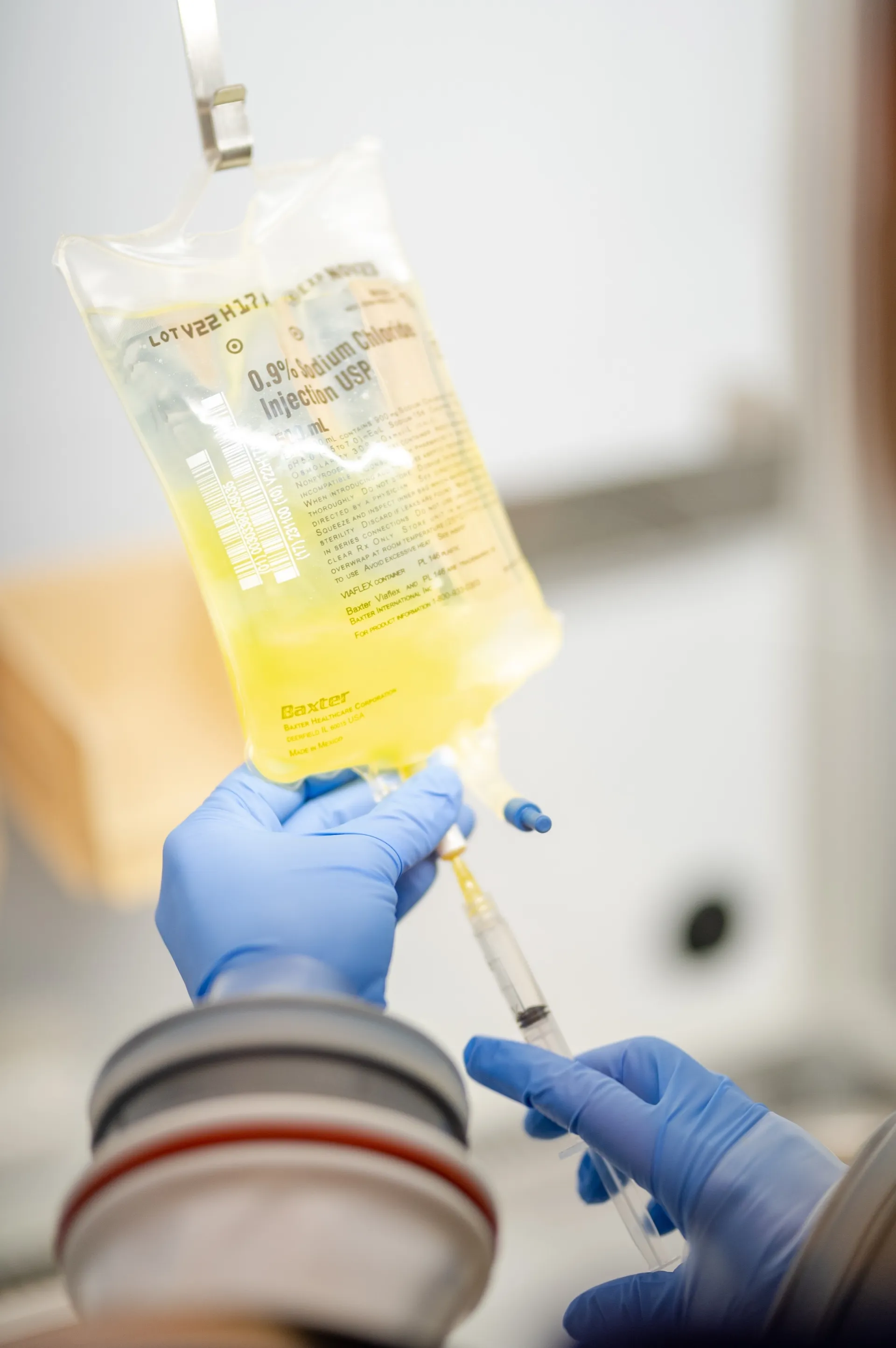
The DRIPBaR offers Pre/Post-Op therapy to deliver essential nutrients directly into your bloodstream. This approach supports hydration, immune function, and tissue repair during recovery. Using this therapy at The DRIPBaR helps optimize your body’s resilience and energy levels for a smoother healing process.
What is Pre/Post-Op?
Pre/Post-Op is a specialized IV infusion designed to support your body before and after surgery or other procedures. It delivers a blend of nutrients, including Ascorbic Acid (Vitamin C) and Magnesium, directly into your bloodstream for efficient absorption. This approach helps prepare your system for physical stress and aids in a smoother recovery.At The DRIPBaR, this therapy is part of a proactive wellness philosophy that emphasizes cellular health and resilience. The experience is tailored to help you feel restored, energized, and ready to return to your daily routine. Discover how targeted IV support can make a difference in your recovery journey.
- Enhanced Healing Provides nutrients that support tissue repair and help minimize downtime after physical stress or procedures.
- Immune Support Delivers immune-supportive compounds to help your body defend against post-procedure challenges and stressors.
- Antioxidant Protection Supplies antioxidants to help neutralize oxidative stress and promote overall cellular resilience.
- Energy Restoration Replenishes nutrients involved in energy production, supporting a steadier recovery and improved daily vitality.
- Autoimmune Support Individuals with autoimmune conditions who want to promote immune balance during periods of increased physical demand.
- Digestive Health Those managing Crohn’s Disease and looking for additional nutrient replenishment before or after procedures.
- Post-Viral Recovery People experiencing lingering effects from Long COVID who need targeted support for energy and resilience.
- Surgical Recovery Anyone recovering from gastric surgery or other procedures who wishes to enhance healing and reduce downtime.
- Ascorbic Acid (Vitamin C) Antioxidant that supports collagen formation and tissue repair.
- Magnesium Mineral that supports muscle relaxation and neuromuscular function.
- Zinc Trace mineral that supports immune function and wound healing.
- Methylcobalamin (B12) Vitamin that supports red blood cell production and energy metabolism.
- B-Complex Group of vitamins that support cellular energy and metabolic processes.
- Amino Acids Building blocks that support tissue regeneration and muscle recovery.
- Calcium Mineral that supports muscle contraction and bone health.
Core Benefits
- Supports Tissue RepairDelivers nutrients that promote efficient healing and reduce recovery time.
- Enhances Immune FunctionStrengthens defenses to help prevent complications after physical stress.
- Reduces Oxidative StressProvides antioxidants that protect cells from damage caused by inflammation.
- Restores Energy LevelsReplenishes compounds involved in mitochondrial energy production and mood.
Who is it for?
- Autoimmune ConditionsSupports immune balance for those managing chronic immune challenges.
- Crohn’s DiseaseHelps replenish nutrients and support gut health during recovery.
- Long COVIDAddresses fatigue and inflammation after viral illness.
- Post-Surgical RecoveryEnhances healing and reduces downtime after surgery.
Key Ingredients
- Ascorbic Acid (Vitamin C) Antioxidant that supports collagen formation and tissue repair.
- Magnesium Mineral that supports muscle relaxation and neuromuscular function.
- Zinc Trace mineral that supports immune function and wound healing.
- Methylcobalamin (B12) Vitamin that supports red blood cell production and energy metabolism.
- B-Complex Group of vitamins that support cellular energy and metabolic processes.
- Amino Acids Building blocks that support tissue regeneration and muscle recovery.
- Calcium Mineral that supports muscle contraction and bone health.
FAQs Related to Pre/Post-Op
How does Magnesium support recovery after physical stress?+
Magnesium plays a key role in muscle relaxation and nerve function, which helps reduce cramps and stiffness. It also supports energy production by activating enzymes involved in metabolism. This mineral aids in maintaining cardiovascular and skeletal health during recovery. Adequate magnesium levels can improve overall physical endurance and comfort.
How can goal-setting improve outcomes for autoimmune conditions?+
Setting clear health goals helps individuals manage symptoms and track progress effectively. It encourages adherence to treatment plans and lifestyle adjustments. Goal-setting also supports motivation and emotional well-being during chronic condition management. This approach fosters proactive engagement in personal health care.
What impact does stress have on the immune system?+
Stress can suppress immune function by altering hormone levels and inflammatory responses. Chronic stress may increase susceptibility to infections and delay healing. It also disrupts the balance of immune cells and cytokine signaling. Managing stress is important to maintain a resilient and responsive immune system.
What simple changes enhance tissue repair results?+
Adequate hydration and balanced nutrition are fundamental to supporting tissue repair. Incorporating rest and gentle movement can improve circulation and healing. Avoiding smoking and excessive alcohol consumption also benefits recovery. These lifestyle adjustments complement medical therapies for optimal outcomes.
Why do people choose Pre/Post-Op as part of their wellness plan?+
Pre/Post-Op offers targeted nutrient delivery that supports recovery and immune function. It provides a convenient way to enhance healing and reduce downtime. Many choose it to optimize their body’s resilience before and after procedures. This therapy integrates well with broader wellness strategies.
How does sleep quality affect energy restoration?+
Good sleep supports mitochondrial function and hormonal balance essential for energy production. Poor sleep can impair immune responses and increase fatigue. Restorative sleep promotes tissue repair and cognitive clarity. Prioritizing sleep quality enhances overall recovery and well-being.
What is the importance of follow-up care for Crohn's Disease?+
Follow-up care helps monitor disease activity and manage symptoms effectively. It ensures nutritional status is maintained and complications are minimized. Regular assessments allow timely adjustments to treatment plans. This ongoing care supports long-term health and quality of life.
How can progress be tracked during recovery from surgery?+
Tracking progress involves monitoring symptoms, energy levels, and wound healing. Keeping a recovery journal or using health apps can provide useful insights. Regular communication with healthcare providers supports personalized adjustments. This approach helps identify improvements and address concerns promptly.
What environmental factors influence Vitamin C effectiveness?+
Exposure to pollution and smoking can increase oxidative stress, raising Vitamin C needs. Poor diet and certain medications may reduce Vitamin C absorption. Stress and illness also impact its utilization in the body. Managing these factors helps maintain optimal antioxidant protection.
How long does a typical Pre/Post-Op session take and why?+
Session length varies based on individual needs and treatment protocols. Typically, infusions last between 30 to 60 minutes to allow proper nutrient delivery. Factors such as hydration status and metabolic rate influence duration. Licensed nurses adjust timing to ensure safety and effectiveness.