Vitamin D3 is a fat-soluble vitamin the skin makes from sunlight. It acts more like a hormone than a vitamin, switching on genes involved in immune function, calcium absorption and mood.
Because it is fat-soluble, vitamin D is given as an intramuscular shot rather than in a water-based drip. The Vitamin D3 Shot is a five-minute visit.
- Immune supportVitamin D supports the normal activation of immune cells.
- Mood and energyAdequate vitamin D supports mood, particularly through the darker months.
- Bone and muscleVitamin D is required for calcium absorption and supports normal muscle function.
Helps With: Calcium Uptake Immune Resilience Mood Balance Hormone Support Cognitive Vitality Cell Signaling Physical Energy Inflammation Balance Metabolic Wellness Nutrient Absorption
Calcium Uptake Immune Resilience Mood Balance Hormone Support Cognitive Vitality Cell Signaling Physical Energy Inflammation Balance Metabolic Wellness Nutrient Absorption
Supports Bone And Immune Health
What are the benefits of Vitamin D?
- Calcium Uptake: Supports the body’s ability to absorb calcium efficiently.
- Immune Resilience: Helps maintain a responsive and balanced immune system.
- Mood Balance: Contributes to emotional well-being and mental clarity.
- Hormone Support: Aids in regulating hormone activity for overall health.
Enhances Bone And Immune Support
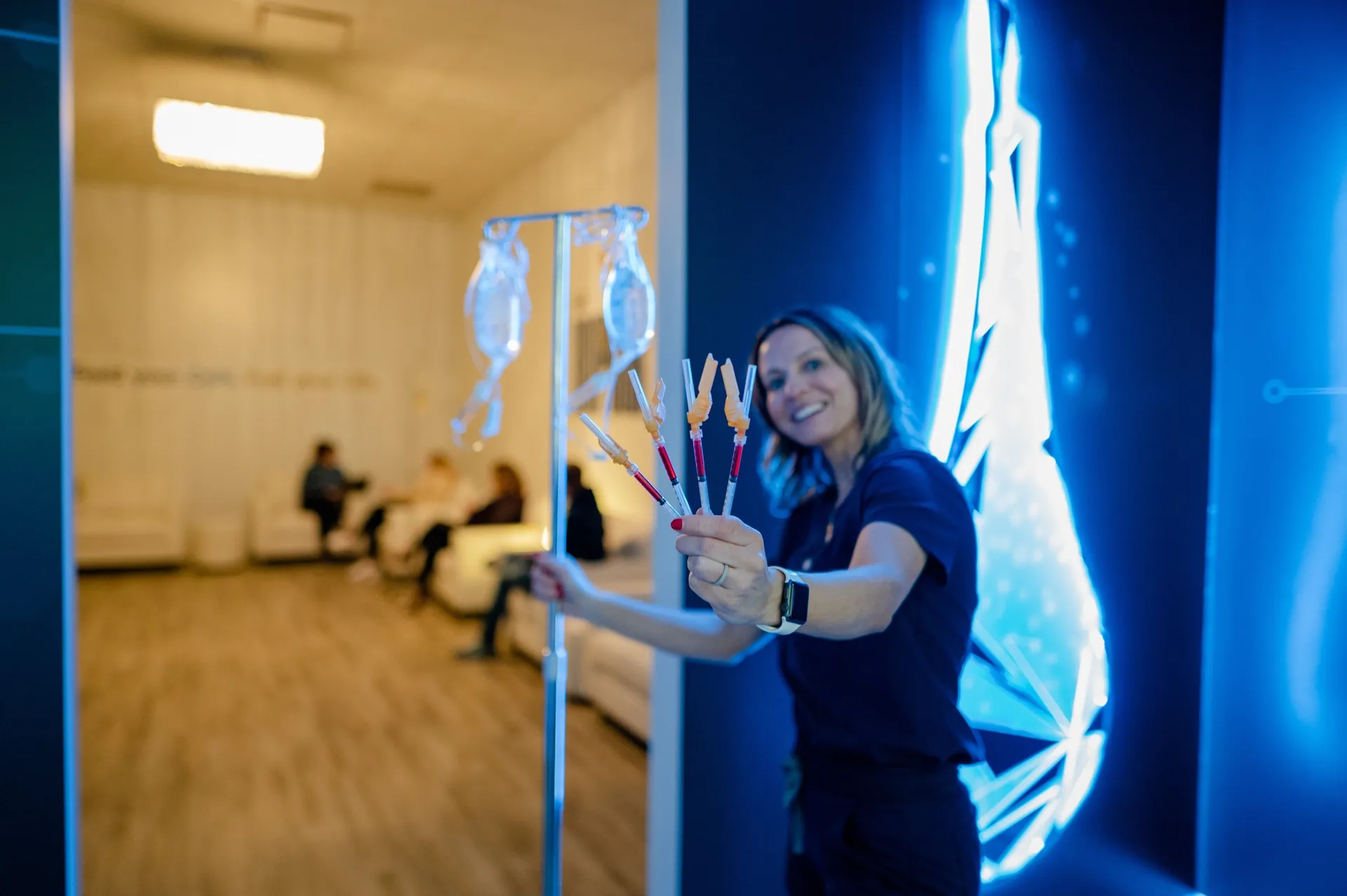
Vitamin D plays a key role in bone strength, immune function, and overall vitality by supporting essential nutrient absorption and cellular processes. It is available as an intramuscular shot for those seeking a direct and efficient supplement option. Licensed nurses administer the shot in a comfortable, supportive setting. To learn more or schedule a visit, connect with The DRIPBaR.
What Is Vitamin D?
Vitamin D is a fat-soluble nutrient that acts as both a vitamin and a hormone in the body. It helps the body absorb calcium and phosphorus, which are important for bone and muscle health. Vitamin D also supports immune system balance and influences mood and cognitive function. While sunlight can trigger its production, many people may not get enough from sun or diet alone.
Why does the body need this nutrient?
Vitamin D is essential for helping the body absorb calcium and phosphorus, which are vital for strong bones and teeth. It also plays a role in supporting immune defenses, regulating hormone activity, and promoting cognitive health. By influencing cellular signaling, Vitamin D contributes to physical energy and resilience. Its broad impact makes it a key nutrient for overall wellness.Many people have limited sun exposure or dietary intake, making it challenging to maintain optimal Vitamin D levels. Factors like aging, indoor lifestyles, and stress can further reduce natural production. Supplementing with Vitamin D can help fill these gaps and support the body’s natural balance. If you are considering ways to maintain your wellness, exploring your options with a wellness professional can be helpful.
Did you know Vitamin D acts more like a hormone than a vitamin in the body?
Ways to Get Your Vitamin D
If you find it difficult to maintain healthy Vitamin D levels through sunlight or diet, intramuscular shots offer a direct and reliable alternative. This method bypasses the digestive system, allowing for more predictable absorption and targeted dosing. Shots are administered by licensed nurses in a comfortable, supportive environment. The DRIPBaR provides guidance on what to expect and helps you determine if this approach fits your wellness goals. Many people appreciate the convenience and efficiency of this method. Reach out to learn how intramuscular shots can be integrated into your wellness routine.
IM Single Shot
Intramuscular shots provide a dependable way to absorb Vitamin D efficiently. This method offers targeted support by delivering nutrients directly into the muscle. Licensed nurses administer shots in a comfortable setting to ensure safety and effectiveness.
Varies
FAQs Related to Vitamin D
How can lifestyle changes complement care for bone health?+
Lifestyle changes such as regular physical activity and balanced nutrition support bone strength. Adequate sun exposure helps the body produce Vitamin D naturally. Avoiding smoking and excessive alcohol also benefits bone maintenance. These habits work together to enhance overall skeletal health.
How can I keep Vitamin D working for me over time?+
Maintaining consistent Vitamin D levels involves regular monitoring and supplementation if needed. Balanced diet and safe sun exposure support ongoing benefits. Adjusting intake based on lifestyle changes helps sustain effectiveness. Consulting with wellness professionals can guide personalized plans.
What wellness goals align with improved immune resilience?+
Improving immune resilience supports overall health and reduces infection risk. Goals may include balanced nutrition, stress management, and adequate sleep. Vitamin D plays a role in modulating immune responses. Aligning these factors promotes sustained immune function.
Why do prevention strategies help reduce fatigue?+
Prevention strategies address underlying factors that contribute to fatigue. Proper nutrient intake, including Vitamin D, supports energy metabolism. Regular rest and hydration also play key roles. These approaches help maintain consistent energy levels.
What lifestyle adjustments maximize nutrient benefits?+
Lifestyle adjustments like balanced diet and regular exercise enhance nutrient absorption. Avoiding excessive alcohol and managing stress support metabolic function. Consistent habits improve the body’s response to supplementation. These changes help maximize overall wellness benefits.
How do environmental factors affect nutrient performance?+
Environmental factors such as limited sunlight reduce natural Vitamin D production. Pollution and indoor lifestyles may also impact nutrient status. Adjusting intake or supplementation can compensate for these effects. Awareness of environment helps optimize nutrient benefits.
What should busy professionals know before appointments?+
Busy professionals should ensure proper hydration before wellness visits. Sharing health history helps tailor nutrient support. Scheduling around work demands can improve consistency. Preparation enhances the effectiveness of treatments.
What are post-session do’s and don’ts after Vitamin D shots?+
After Vitamin D shots, rest and hydration support recovery. Avoid strenuous activity immediately following treatment. Monitor for any unusual reactions and report concerns. Following guidance ensures safe and effective results.
How can I track improvements in bone strength over time?+
Tracking improvements involves regular health assessments and bone density tests. Monitoring symptoms like energy and mobility provides insight. Consistent supplementation and lifestyle habits support progress. Keeping records helps adjust wellness plans as needed.
Why does early attention to immune health lead to better outcomes?+
Early attention to immune health helps prevent complications and supports resilience. Timely nutrient support, including Vitamin D, enhances defense mechanisms. Proactive care reduces the risk of prolonged illness. This approach promotes long-term wellness.